How Long Does a Private Pilot Certificate Take in 2026?
Published by:
Jacob Kyser
You can picture the finish: your examiner shakes your hand, and you walk back across the ramp as a private pilot. The harder question comes before the first lesson. How much calendar space should you reserve to get there?
For a private pilot certificate with an airplane rating under Part 61, the FAA requires at least 40 hours of flight time. However, the U.S. average is approximately 75 hours. Those figures describe flight time, not weeks or months. Your calendar depends on how often you train, how well you prepare, and how many interruptions enter the plan. At Universal Flight Training, we help students build that plan around their goals, availability, and budget.
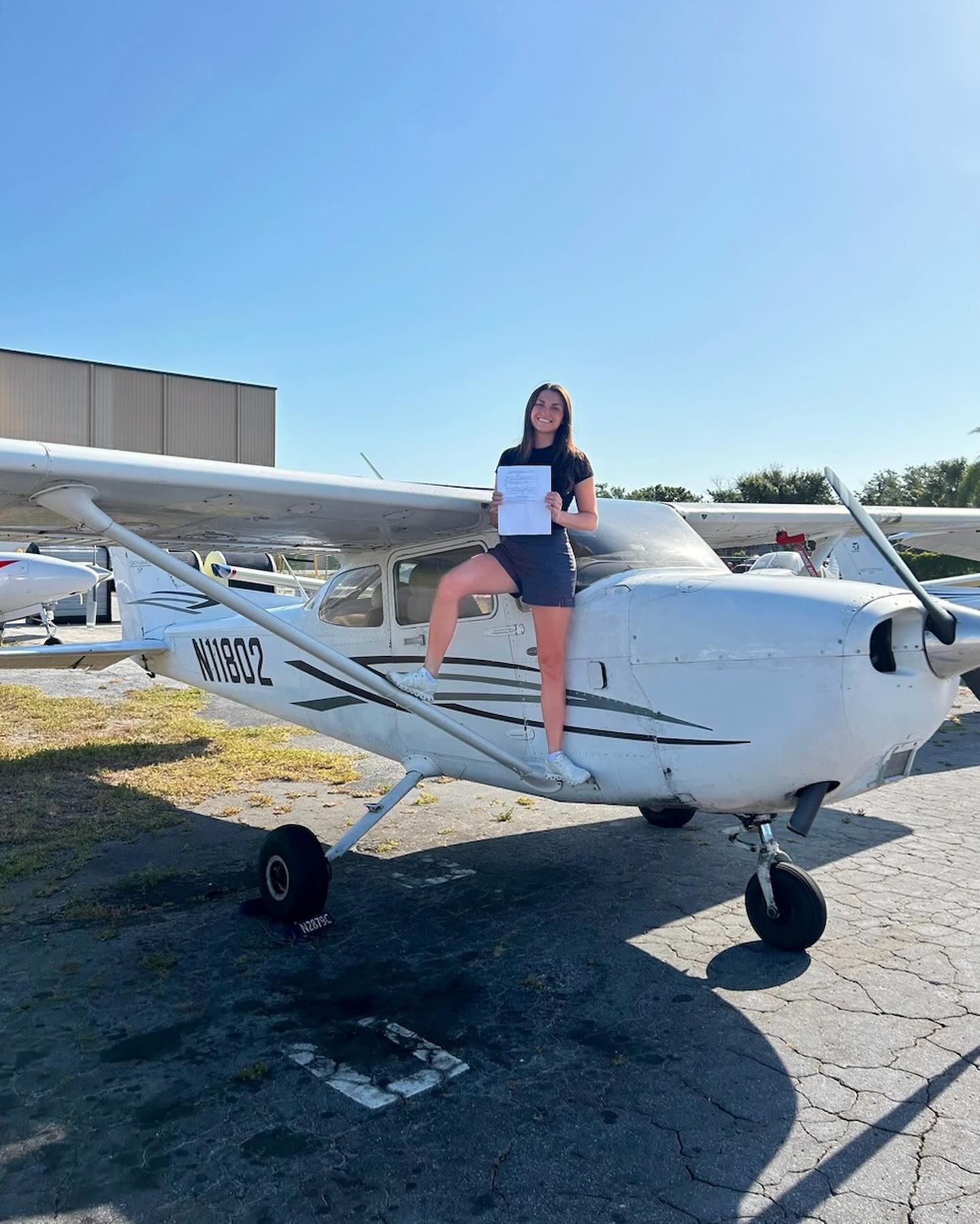
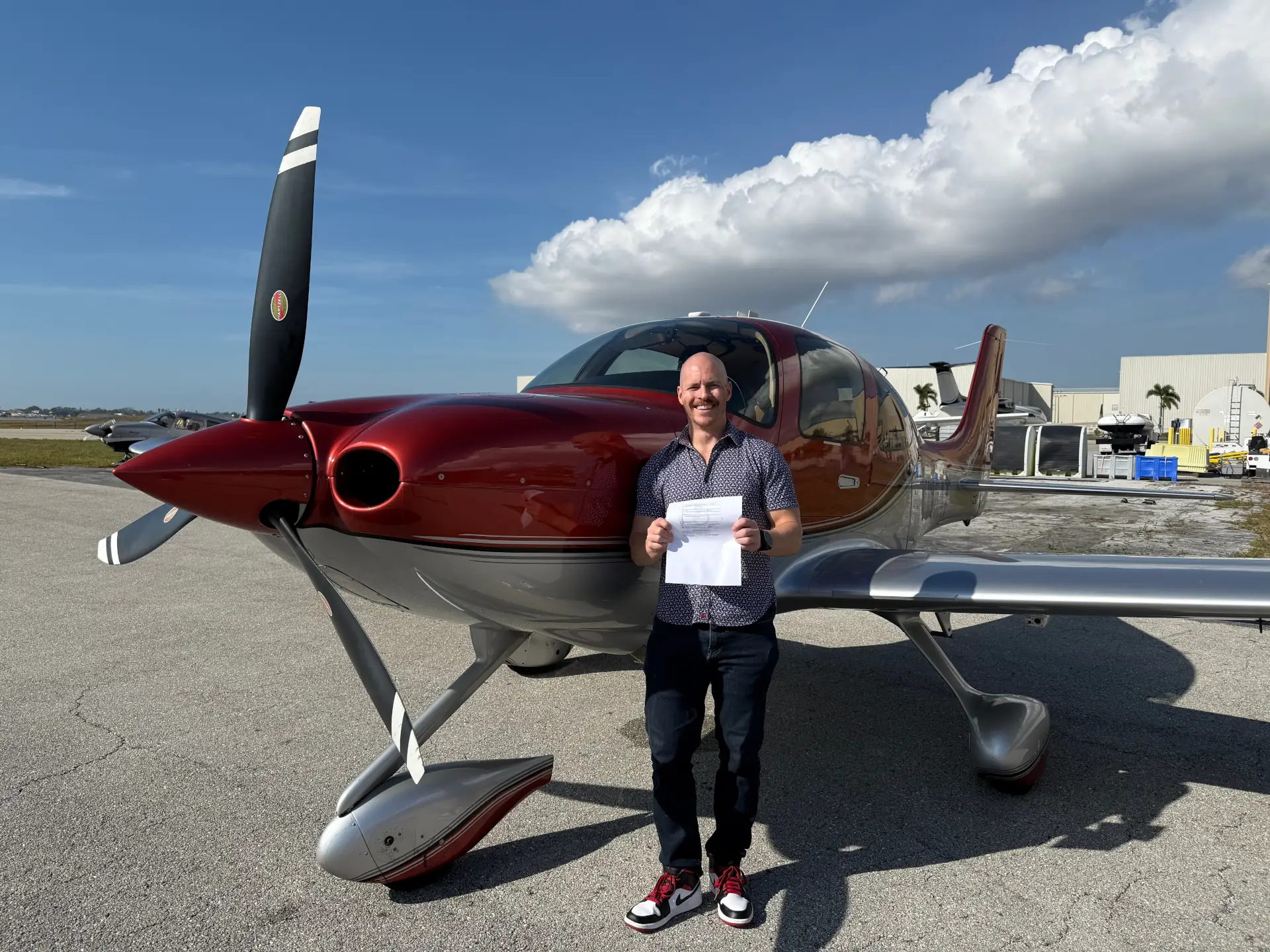
A private pilot certificate is earned through proficiency, required experience, and a successful practical test.
The 40-hour minimum gives you a floor
The 40-hour minimum flight time requirement includes at least 20 hours of training with an authorized instructor and 10 hours of solo training, along with specific night, cross-country, instrument, and test-preparation experience.
The word minimum carries a lot of weight. You still need to meet the applicable aeronautical experience requirements, pass the knowledge test, receive your instructor’s endorsements, and demonstrate the required knowledge, risk management, and flight skills on the practical test, commonly called the checkride. Our Private Pilot Course is built around that complete progression rather than a race to a number in the logbook.
The FAA reports approximately 75 hours as the U.S. average for completing private pilot certification requirements. Some applicants need fewer hours, while others need more, because proficiency determines readiness beyond the regulatory minimum.
Forty hours also does not mean 40 lessons. A scheduled block includes briefing, preflight, taxi, postflight discussion, and sometimes ground instruction, while only the applicable flight time goes in the airplane column of your logbook. Your instructor can explain how each lesson supports the milestones in your pilot training path.
Your weekly cadence turns flight hours into calendar time
The most useful planning question is how many prepared lessons you can sustain each week. A calendar with recurring training blocks creates repetition. A calendar built from occasional openings tends to stretch because each gap can require review before new skills feel settled.
These scenarios illustrate how cadence affects momentum. They are planning examples, not completion promises, and they do not convert directly into a guaranteed month count.
| Starting cadence | What the calendar may feel like | What helps protect momentum |
|---|---|---|
| 1 lesson per week | Easier to fit around a full schedule, but one cancellation can create a long gap | Strong chair-flying, ground study, and flexible backup dates |
| 2 lessons per week | A sustainable baseline for many part-time students | Two recurring slots plus room to reschedule |
| 3 lessons per week | More repetition and recovery room after a cancellation | Consistent study, budget, sleep, and instructor availability |
| 4 or more lessons per week | A concentrated pace that can build skills quickly when preparation keeps up | Protected study time, realistic workload, and schedule flexibility |
For many students, two to three lessons per week is a practical starting target. It often gives skills less time to cool between flights and leaves room to recover when weather or another operational factor moves a lesson. Our guide to choosing a weekly flight-lesson pace can help you compare the tradeoffs.
A heavier schedule only helps when you can arrive rested, studied, and ready to learn. Four rushed appointments can create less progress than two focused lessons supported by ground preparation. The best cadence is the one you can repeat without letting your budget, work, family, or study time collapse around it.
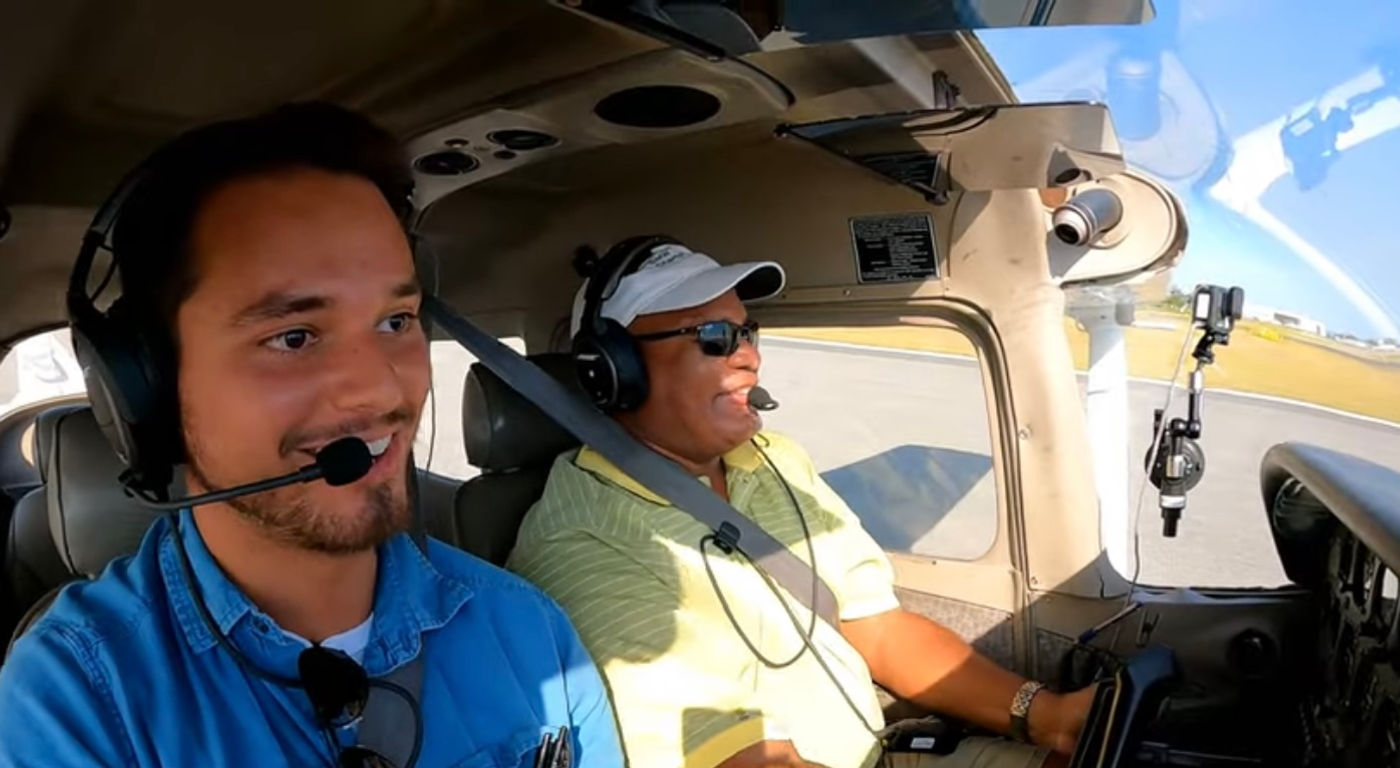
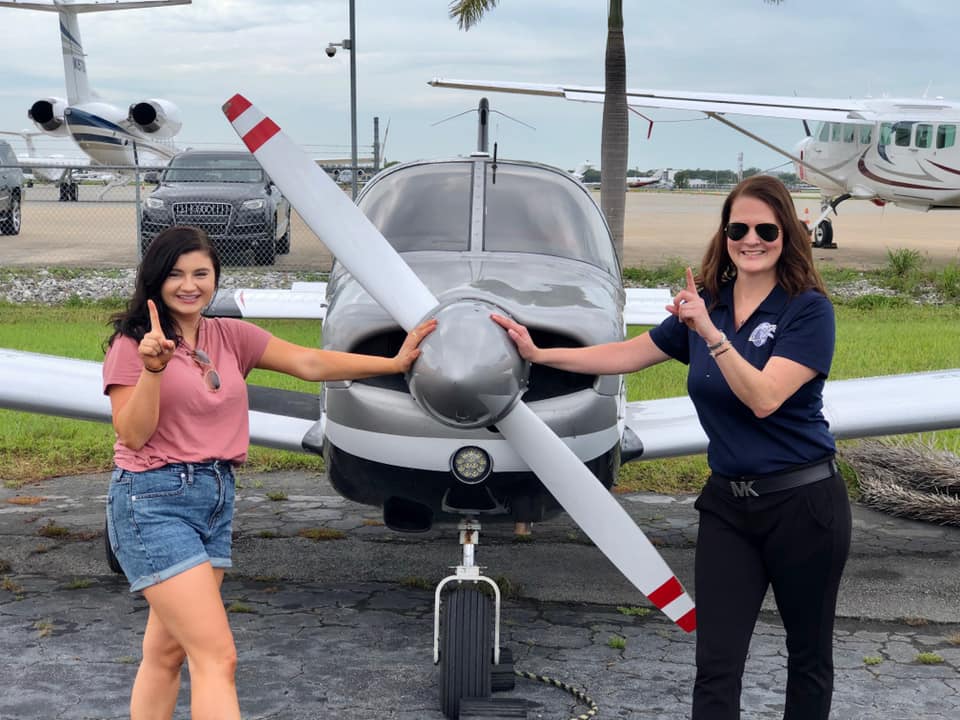
Consistent training helps each lesson build toward the next proficiency milestone.
The fastest gains often happen before the engine starts
Students make better use of flight time when ground preparation and cockpit practice support each other. Read the assigned material, review the last lesson, chair-fly checklist flows, and arrive with questions. That preparation lets more of the lesson focus on learning and refining instead of introducing every idea from scratch.
The FAA knowledge test can become a late bottleneck if it stays in the background. Build knowledge-test study into the same weekly calendar as flying, then use instructor feedback to connect weather, airspace, regulations, performance, and decision-making to what you see in the airplane. Our guide to the FAA knowledge test explains the process and preparation priorities.
A canceled flight can still become a useful training block. Depending on what your instructor recommends and what resources are available, the time may support ground instruction, oral-exam review, flight planning, weather analysis, or a detailed review of the last lesson. Keeping the appointment productive protects the rhythm even when the airplane stays parked.
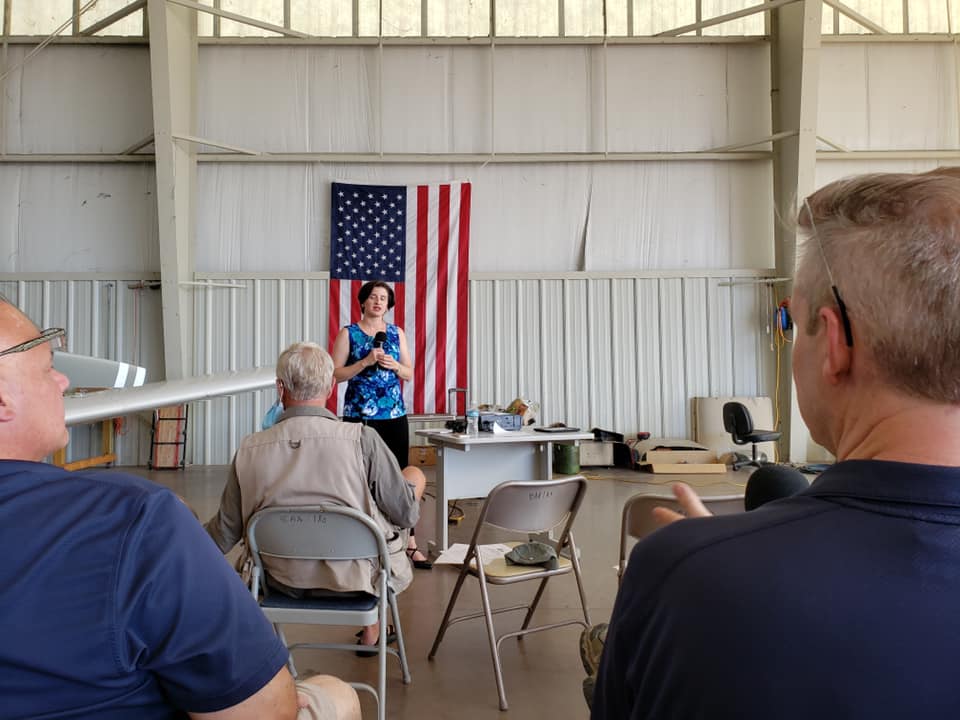
Ground study helps turn each scheduled flight into more productive learning time.
Plan for the delays you can influence and buffer the ones you cannot
Some delays come from normal aviation operations. Weather can move a flight, and maintenance decisions can keep an aircraft on the ground. Instructor availability, aircraft scheduling, and the student’s own work or family calendar can also interrupt a sequence. A realistic plan includes room for those events instead of assuming every appointment will fly.
You can protect your progress by holding backup windows when possible. If your target is two completed lessons, reserving a third possible window may keep the week intact after a cancellation. Flexible availability can also make it easier to match an instructor and aircraft without forcing long gaps. Learn how the local environment shapes training in our guide to learning to fly in Sarasota and Bradenton.
The practical test adds another scheduling variable. A Designated Pilot Examiner, or DPE, must have the appropriate authorization and availability, and your instructor recommends you only after you meet the requirements and are ready. Build checkride buffer into your plan rather than tying a major life commitment to one assumed date.
Paperwork can create avoidable delays when it starts late. You may begin lessons before receiving a student pilot certificate, but you need that certificate before solo flight. Most airplane students should also address medical eligibility early because a medical certificate is generally needed before solo unless another FAA-recognized qualification applies. For diagnosis, medication, deferral, or eligibility questions, consult an Aviation Medical Examiner and current FAA guidance. Our flight school FAQ can help you organize the other questions to bring to your first conversation.
Build a budget that supports continuity, not only the minimum hours
Your training budget may include aircraft rental, instructor time, ground instruction, testing, examiner fees, supplies, and medical-exam costs. Extra proficiency work and schedule interruptions can add hours, so a plan based only on the 40-hour floor can leave too little room near the checkride.
Consistency can reduce repeated review, but a schedule that strains your finances can create its own delays. Choose a cadence you can sustain and ask for a current estimate that separates the major cost categories. Our flight training cost guide explains what to include when you compare a full plan rather than one hourly rate.
Financing options may be available to qualified applicants. Approval and terms come from the lender, so compare repayment obligations with your realistic training cadence before committing. The goal is a plan that lets you keep learning without treating financing as a guaranteed shortcut.
A first-month plan gives you a better answer than a generic deadline
Before choosing a finish date, build a four-week training plan with your instructor or school. Put flight blocks, study blocks, backup windows, medical and student-pilot steps, and knowledge-test preparation on the same calendar. That plan reveals whether your desired pace fits your real life.
Ask yourself three questions: How many lessons can I attend prepared? How many backup windows can I protect? What monthly training budget can I sustain? Bring those answers when you explore the Private Pilot Course, and we can help you turn them into a practical starting schedule.
Frequently Asked Questions
How many hours does a private pilot certificate take?
For a private pilot airplane certificate under Part 61, the FAA minimum is 40 flight hours, while the FAA reports an approximate U.S. average of 75 hours. Your total depends on meeting every requirement and reaching practical-test proficiency. Review the full path on our Private Pilot Course page.
Can I earn a private pilot certificate in three months?
Three months may be possible for some students, but no fixed calendar outcome applies to everyone. Cadence, preparation, proficiency, weather, availability, paperwork, and checkride scheduling all affect completion. Start by comparing realistic lesson rhythms in our weekly scheduling guide.
Is one flight lesson per week enough?
One weekly lesson can work, especially around a busy life, but progress may stretch when cancellations or long gaps increase review time. Protect ground study and backup availability. Our training savings guide includes more ways to preserve continuity.
Do I need a medical certificate before my first lesson?
You generally may begin lessons without a medical certificate, but students need an applicable medical qualification before solo. Address it early and take individual medical questions to an Aviation Medical Examiner. See our flight school FAQs for other early planning questions.
When should I take the FAA knowledge test?
There is no single week that fits every student, but letting the knowledge work run far behind flight training can delay the final stage. Coordinate your study and test plan with your instructor, and use our FAA written-exam guide to prepare.
What delays a private pilot checkride?
Readiness, incomplete prerequisites, weather, aircraft availability, and examiner scheduling can all move a practical test. Build buffer around the date and keep training until your instructor recommends you. Our private pilot training overview shows where the checkride fits in the course.
Map your first month with Universal Flight Training
Your best timeline starts with a schedule you can actually keep. Bring us your weekly availability, goal, and budget, and we will help you plan a realistic first month at our Sarasota training location.
When you are ready to put dates around the goal, enroll and start building your private pilot training plan.