Florida Flight School FAQ: Programs, Costs & Enrollment
Published by:
Jacob Kyser
Choosing a flight school in Florida can raise ten questions before you know which first question to ask. Which program matches your plans? Do you need an FAA medical before your first lesson? How often can you fly? What does financing cover? And should you enroll before taking a discovery flight?
Here is the short answer: you can take an introductory lesson before committing to a full program and fly with an instructor before obtaining a student pilot certificate or medical certificate. The usual airplane training path requires you to address both before solo flight. Your program, schedule, budget, and long-term direction should shape everything that follows.
This post answers the questions students most commonly bring to us at Sarasota Bradenton International Airport. Use it to prepare for a pilot training conversation, then bring your personal questions to our team.
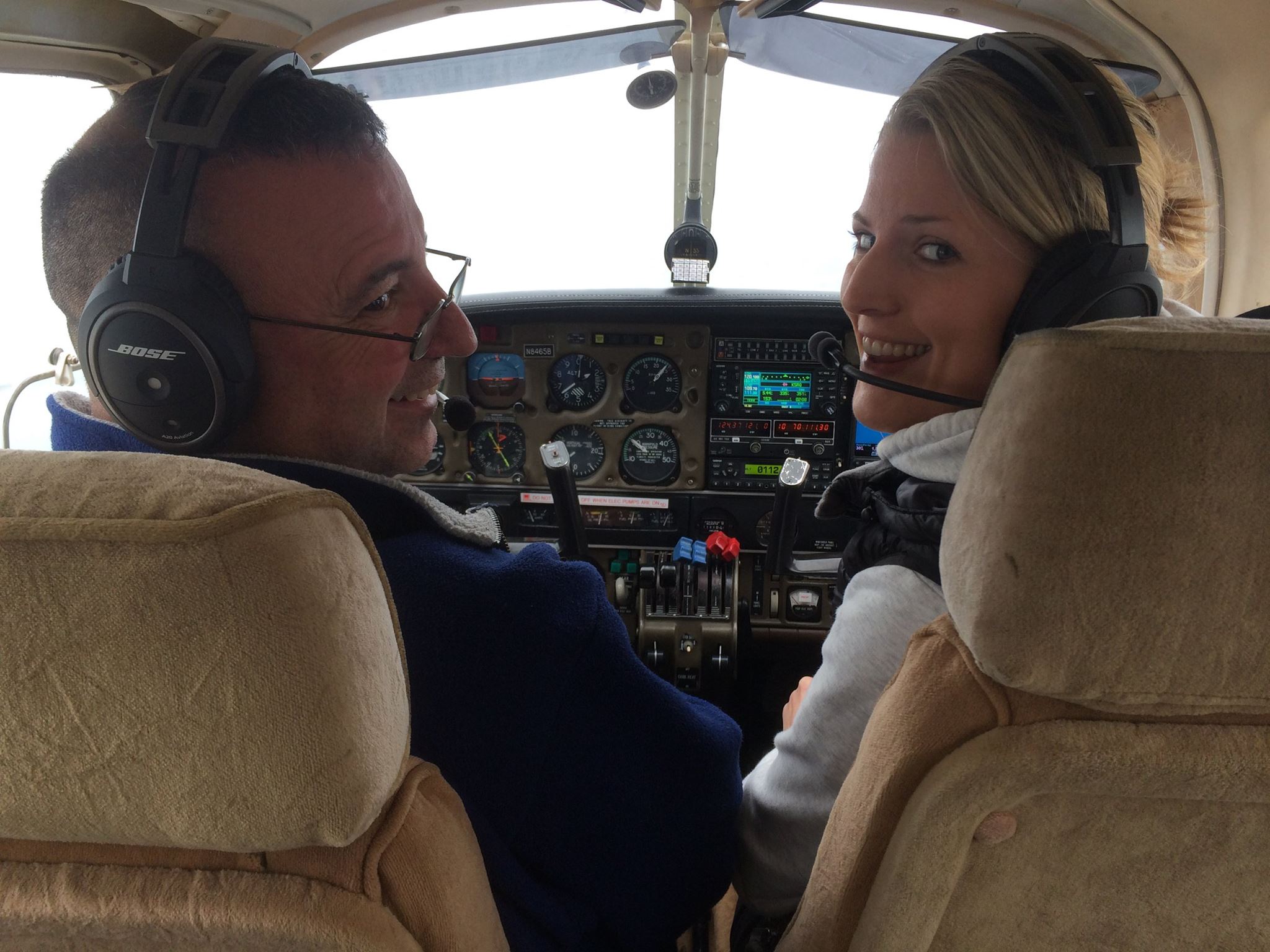
Your first conversation should connect the program, schedule, aircraft, and instruction to your plans.
Choose the program that matches your next certificate or rating
What flight-training programs does UFT offer?
We offer a connected progression from a first certificate through advanced training:
| Program | Who it is designed for | What comes next |
|---|---|---|
| Private Pilot Course | New students learning foundational flying skills for personal aviation or a longer training path | Instrument training or continued personal flying |
| Instrument Rating | Private pilots building instrument knowledge and proficiency | Commercial training or broader personal capability |
| Commercial Pilot Training | Pilots preparing for commercial-pilot certification and professional development | Instructor or other advanced training |
| Multi-Engine Rating | Certificated pilots adding airplane multi-engine class privileges | Multi-engine proficiency or career-path requirements |
| Certified Flight Instructor Course | Commercial pilots preparing to qualify as flight instructors | Instructional experience and additional instructor ratings |
This common progression remains flexible. A recreational student may stop after earning a private pilot certificate, while a career-minded student may continue through several certificates and ratings. Start with the full program overview and identify the next credential you actually need.
Do I need prior flying experience?
No prior flight experience is required to begin private-pilot training or take a discovery flight. If you already have flight time, certificates, or ratings, bring your logbook and records so the team can understand your starting point and discuss the appropriate advanced training program.
How long does a program take?
Completion time varies with proficiency, weekly lesson frequency, ground preparation, weather, aircraft and instructor availability, and practical-test scheduling. A regulatory minimum establishes eligibility; your training plan needs a broader time estimate. Our Florida pilot-training timeline guide explains how those variables affect each stage.
Train at SRQ and understand the environment before you commit
Where is Universal Flight Training located?
We are located at Sarasota Bradenton International Airport (SRQ) at 8140 15th St E, Sarasota, Florida 34243. The airport serves students from Sarasota, Bradenton, and communities across Florida’s Gulf Coast. Review the local training context on our Sarasota flight-school page.
What is it like to train at a towered airport?
Training at SRQ puts radio communication, taxi planning, and controlled-airspace procedures into the normal training day. Towered and non-towered airports develop different habits and skills, and each environment offers valuable experience.
When you visit, notice the trip from the briefing area to the aircraft, typical ground movement, nearby practice areas, and how instructors use the airport environment during lessons. Our Florida flight-school checklist includes the questions worth bringing to the ramp.
Does Florida weather mean I can train year-round without cancellations?
Florida offers many productive training days. Thunderstorms, wind, ceilings, heat, maintenance, and operational decisions can still change a schedule. Ask how weather cancellations are communicated and rebooked, then build some flexibility into your weekly lesson plan.
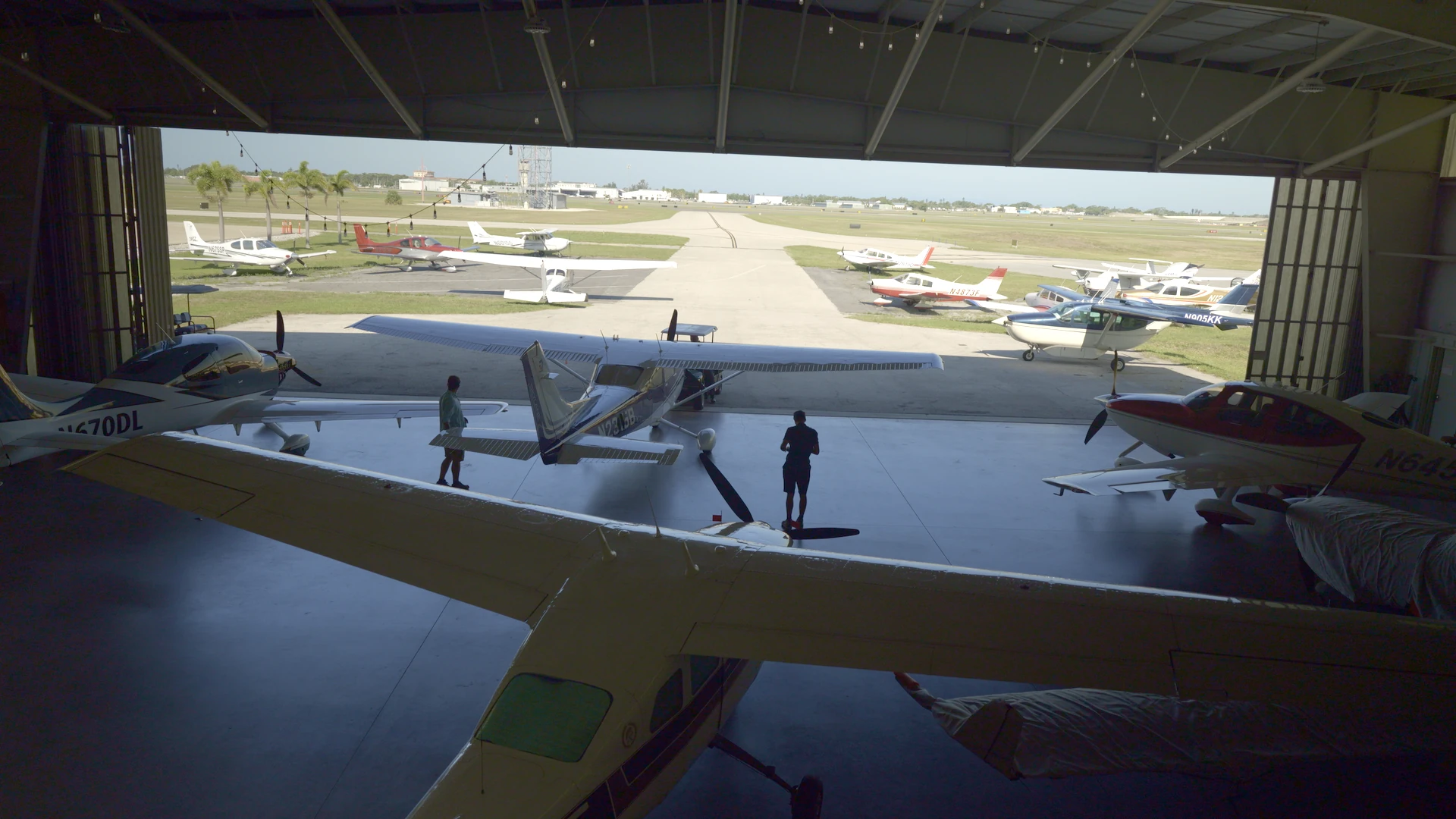
A school visit lets you see the airport, aircraft, briefing areas, and everyday training operation for yourself.
Understand Part 61 and Part 141 as training structures
What do Part 61 and Part 141 mean?
Part 61 contains federal rules for pilot, flight-instructor, and ground-instructor certification. Part 141 governs FAA-certificated pilot schools that use approved course curriculums, prescribed records, and a more structured school framework. The FAA’s Part 141 guidance explains the distinction.
Each structure offers a different balance of flexibility, oversight, and course organization. The right fit depends on your intended path, schedule, funding requirements, learning preferences, and the approved course available. When you discuss a specific UFT program, our team can explain the training structure and requirements that apply to that path.
Build a schedule you can sustain week after week
How often should a student schedule flight lessons?
There is no universal number for every student. Consistent training supports retention, while the right frequency depends on your budget, availability, learning pace, and intended training pace. A schedule only works when aircraft and instructor availability align with the time you can protect.
Start by identifying two or three realistic windows each week, then discuss current availability with our team. The detailed guide to weekly flight-lesson frequency will help you compare steady and accelerated schedules.
What happens when weather or maintenance cancels a flight?
The next step depends on the lesson, the reason for the cancellation, and instructor availability. A flight may be rebooked, or a useful ground lesson may be possible. Before enrolling, clarify the communication and rescheduling process and include schedule disruptions in your training-time expectations.
Address FAA medical questions before they become a roadblock
Do I need a medical certificate before my first flight lesson?
No. As the FAA states, you do not need a student pilot certificate merely to take flying lessons. You also do not generally need a medical certificate just to fly with an instructor.
For the usual airplane training path, you need the appropriate student pilot certificate and medical qualification before solo. Because medical questions can affect your plan, address them early, before making a large training investment. You can still begin with a discovery flight while you learn what your path requires.
Which medical certificate does a private-pilot student usually need?
Most airplane students use at least a third-class medical certificate before solo unless another FAA-recognized qualification or exception applies. Medical requirements depend on the operation and privileges you plan to exercise. Use the FAA’s current medical-certification resources and consult an Aviation Medical Examiner (AME) about your circumstances.
We cannot diagnose eligibility or advise you about a medication or medical condition. The FAA’s medical process begins with MedXPress and an appointment with an AME; its medical-exam guide explains how to prepare. Our Private Pilot Course page can help you organize the other training questions for your enrollment conversation.
How old do I need to be to begin flight training?
You can take dual instruction before becoming eligible to solo. For airplane training, the FAA generally requires a student to be at least 16 for a student pilot certificate and at least 17 for a private pilot certificate. Glider and balloon age rules differ. Younger students and families can use a discovery flight to discuss timing and readiness without treating an introductory flight as solo authorization.
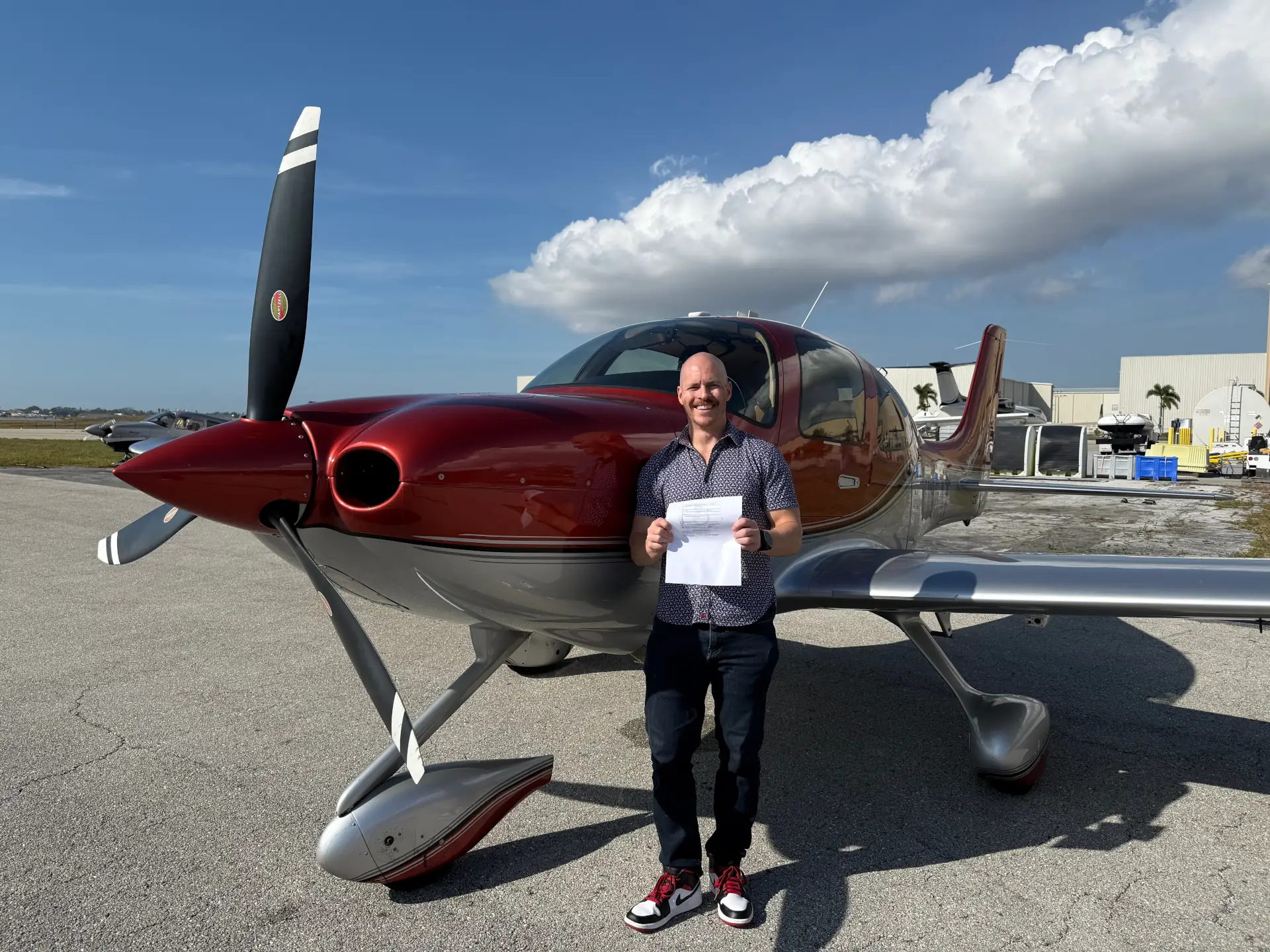
Early medical planning, steady preparation, and a sustainable schedule support each training milestone.
Evaluate financing by its full terms
Does UFT offer flight-training financing?
We provide access to current financing application paths. Financing may be available to qualified applicants; approval and terms come from the lender. Review interest, fees, repayment timing, co-borrower requirements, disbursement rules, and total borrowing cost before accepting an offer.
Visit our flight-training financing page for current options. Rates and program prices can change, so request a training estimate separately from the financing offer.
What costs should I include in my budget?
Plan for aircraft rental, flight and ground instruction, learning materials, a medical exam, knowledge-test and practical-test expenses, examiner fees, supplies, insurance, and possible additional proficiency hours. If you are relocating, include housing and transportation.
Can a school guarantee my final training cost?
A fixed quote is only as reliable as its assumptions. Training time varies with proficiency, frequency, weather, availability, and testing. Ask what is included, excluded, and based on minimum hours.
Use a discovery flight to test the learning environment
What is a discovery flight?
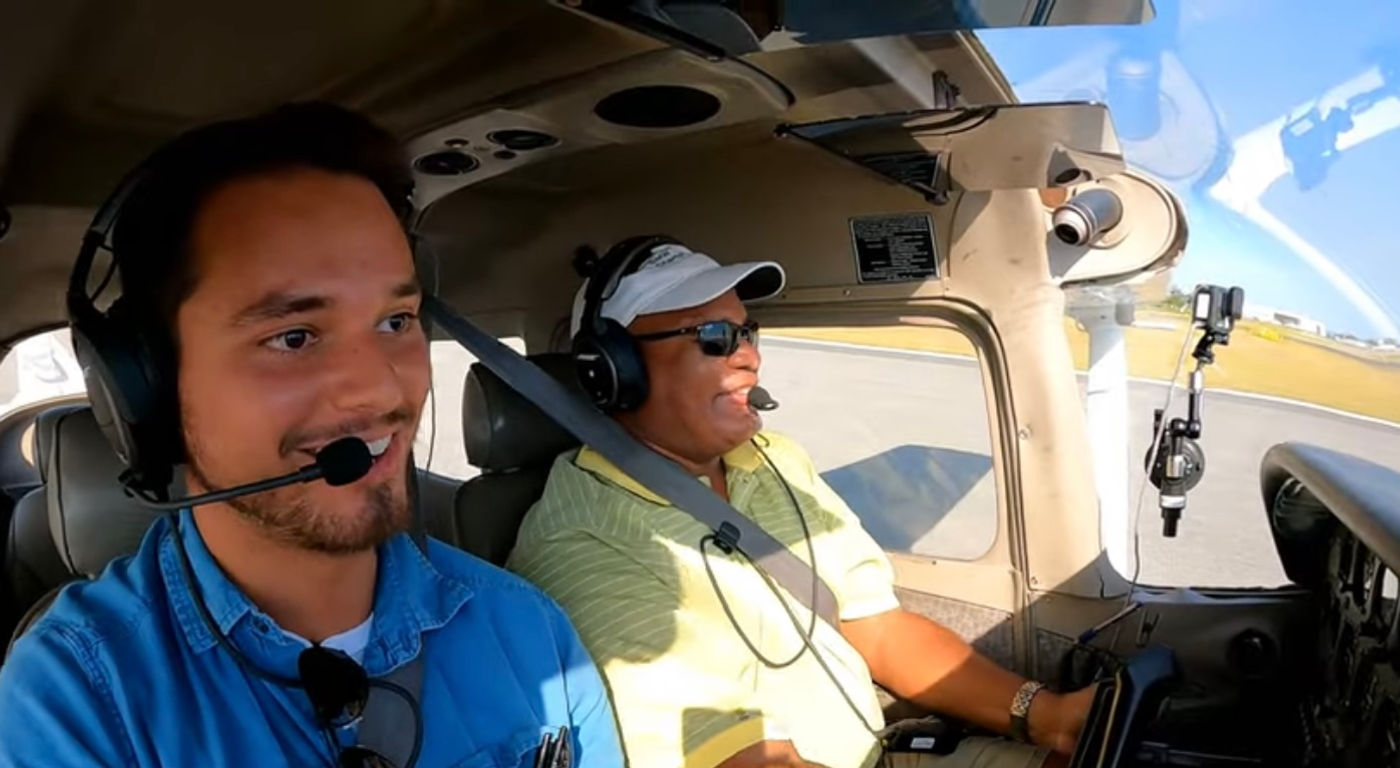
A discovery flight is an introductory aviation experience with an instructor. It lets you see the aircraft, airport, and teaching environment before committing to a full program. At UFT, it is designed as a practical first step for someone exploring personal flying or a professional training path.
Review what happens on a discovery flight, then use the experience to notice how the instructor explains the aircraft, invites questions, uses checklists, and debriefs afterward.
Do I need experience, a medical, or a student pilot certificate first?
No prior flight experience is required, and an introductory lesson with an instructor does not itself require a student pilot certificate or medical certificate. Health, mobility, age, or eligibility questions may affect the best way to plan the experience, so share relevant practical concerns when you book your discovery flight.
Does a discovery flight commit me to enrolling?
No. It should help you decide whether the cockpit, school, and training environment feel right. Afterward, you can review programs, scheduling, costs, and medical steps without being expected to choose an entire pathway immediately. Schedule a discovery flight when you are ready to experience the first lesson.
Prepare these details before starting enrollment
How do I enroll at Universal Flight Training?
Complete the enrollment form with your contact information and the program you are considering. Be ready to discuss your aviation plans, previous flight experience, schedule, budget, medical questions, and ideal starting timeframe.
Submitting the form begins the conversation. Current availability, financing decisions, and your training plan will determine the aircraft, instructor, start date, and expected timeline. Our team will use the information to help clarify the current next steps.
What should I bring to an enrollment conversation?
New students should bring their questions and any information relevant to scheduling or eligibility. Pilots with previous training should also bring logbooks, certificates, medical documents when appropriate, and training records. A written list helps you leave with clear answers about:
- The program and training structure
- Current aircraft and instructor availability
- Expected weekly lesson frequency
- Rates, estimate assumptions, and excluded costs
- Medical and student-pilot milestones
- School policies and record handling
- Financing application steps, when relevant
Use the Florida flight-school checklist before the meeting so you can compare cost alongside instruction, scheduling, aircraft, and policies.
Should I enroll before taking a discovery flight?
You can begin the enrollment conversation first. Many new students benefit from experiencing one introductory lesson before making a larger commitment. If you already know the program you need, the team can help you decide whether to move directly to the enrollment form or begin with a discovery flight.
Turn your questions into a practical first step
The right starting point depends on how much you already know. If you are still deciding whether flying is for you, take a discovery flight. If you have a clear certificate or rating in mind, bring your plans, schedule, and budget to an enrollment conversation.
Contact us to discuss the program, scheduling, medical-planning, financing, or enrollment questions that are specific to you.