Aircraft Maintenance Planning for Sarasota Owners
Published by:
Jacob Kyser
The annual inspection date is easy to circle. The harder part is protecting your flying calendar from everything that gathers around it: oil changes, recurring items, open discrepancies, parts decisions, record research, and the findings that only appear after the aircraft enters the shop.
For aircraft owners in Sarasota, a useful maintenance plan looks beyond one appointment. It connects calendar dates, aircraft time, actual use, known squawks, and upcoming trips. At Universal Flight Training, we help local owners start that conversation with the aircraft details and service needs that shape the work.
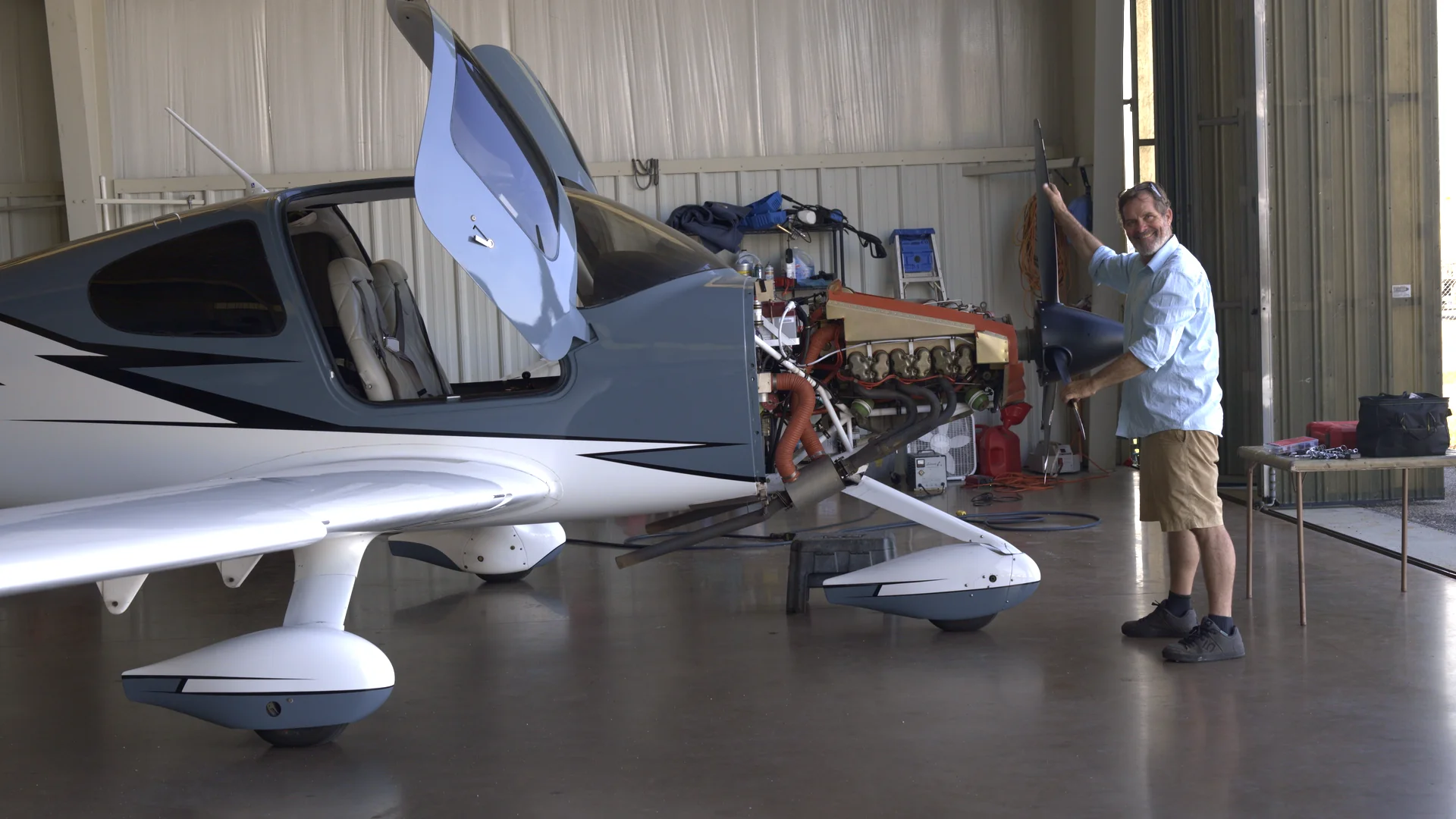
An early maintenance conversation gives the owner and shop time to review known needs before the aircraft arrives.
Put the logbooks before the calendar
Start with the records, then choose the appointment window. A date on the calendar has little planning value until you know what becomes due by calendar time, flight time, or another applicable interval. Review the airframe, engine, propeller, and appliance records as they apply to your aircraft.
Under 14 CFR 91.417, required records include maintenance and inspection entries plus continuing information such as current inspection status, life-limited-part status, and applicable Airworthiness Directive (AD) status. Recurring ADs deserve special attention because the next action may be tied to a date or time in service.
Build one owner-facing snapshot from those records:
- Annual inspection due month
- Current time in service and expected monthly utilization
- Recurring AD actions and their next due points
- Time-limited inspections or component actions applicable to the aircraft
- Open discrepancies and deferred decisions
- Planned trips or high-use periods that reduce scheduling flexibility
This snapshot supports planning while the aircraft records and approved maintenance data remain controlling. It helps you begin a more productive conversation through our aircraft maintenance service before a due item collides with a trip.
Match the inspection plan to how the aircraft is used
Owners often discuss “the annual” and “the 100-hour” as if every airplane follows the same schedule. The annual requirement and the 100-hour requirement address different operating situations.
For aircraft subject to the annual-inspection rule, 14 CFR 91.409 generally requires an annual inspection within the preceding 12 calendar months. The 100-hour provision applies in specified for-hire situations, including when a person provides an aircraft for flight instruction for hire. A personal aircraft does not automatically need a 100-hour inspection simply because it has flown 100 hours. The aircraft, inspection program, and actual operation determine what applies.
That distinction changes planning. An owner who flies occasionally may be driven mainly by calendar items. A frequently used aircraft can approach time-based work much sooner. An aircraft used in a different operating context may have additional requirements. Plan from the operation you actually conduct, then have the appropriate maintenance professional verify the applicable inspection path.
Our aircraft maintenance request includes annual and 100-hour inspections among the available service categories. Send the aircraft manufacturer, type, current time, and intended operation so our team can begin with the right context.
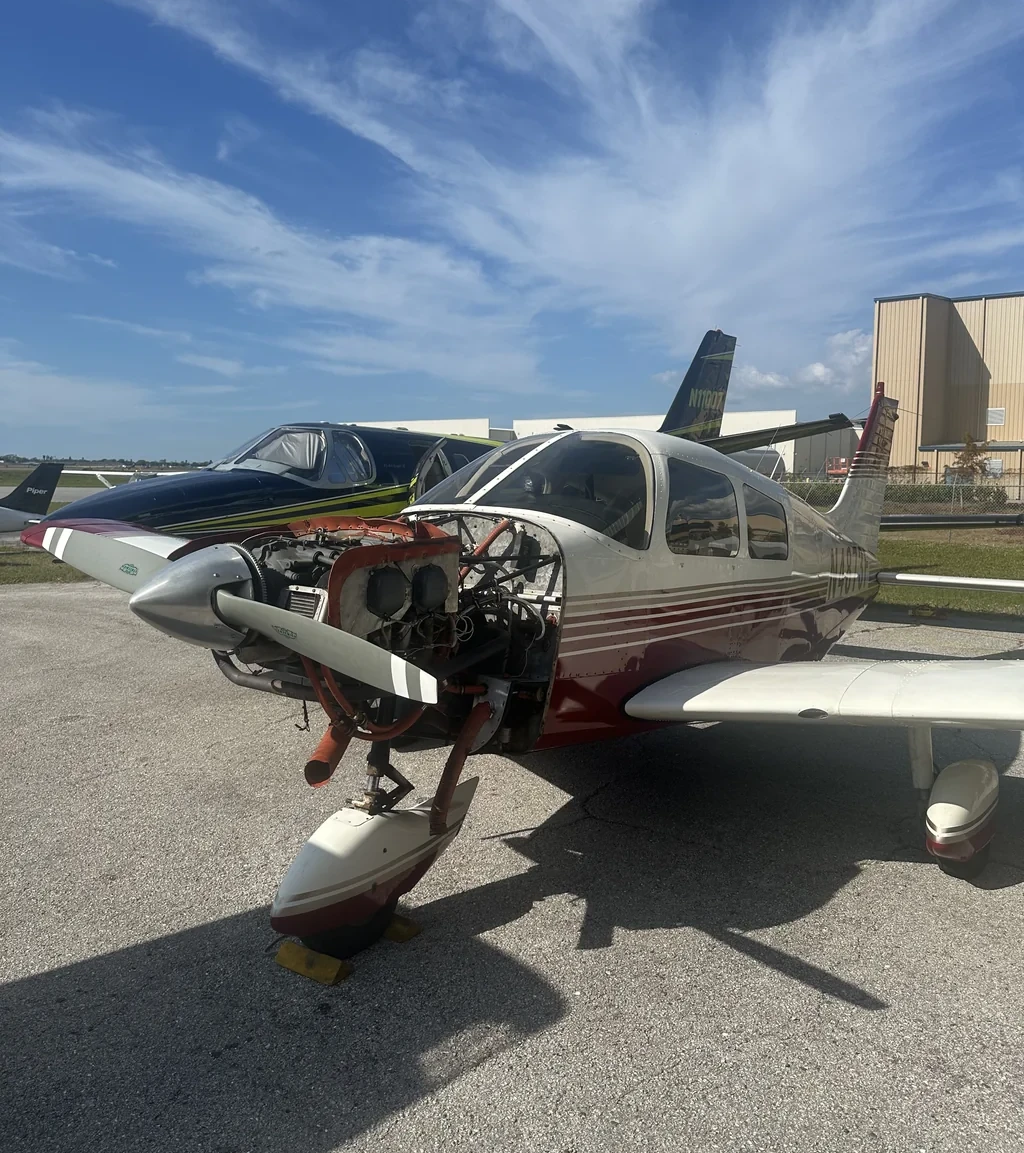
The right inspection conversation begins with the aircraft, its records, and the way it is operated.
Turn every squawk into a planning signal
A slight shimmy during taxi, an intermittent light, a rough latch, or an avionics message can be easy to remember after landing and easy to forget two weeks later. Write discrepancies down while the details are fresh. Include when the issue appeared, the phase of operation, conditions, indications, and whether it repeated.
A clean squawk list helps the shop understand symptoms without turning the owner into the diagnostician. Use plain observations such as “the light flickered after start” or “the vibration appeared during taxi.” Avoid prescribing the repair before the aircraft is evaluated.
Group the list into three planning lanes:
| Planning lane | What belongs there | What it helps you decide |
|---|---|---|
| Immediate attention | A condition that raises an airworthiness or safe-operation concern | Whether the aircraft should remain grounded pending evaluation |
| Coordinate with scheduled work | Repeat discrepancies and non-urgent items suitable for shop review | Whether combining work could reduce repeated shop visits |
| Future improvement | Optional equipment, comfort, or upgrade ideas | Whether research, parts, approvals, and budget need a longer runway |
The pilot in command remains responsible for determining whether the aircraft is in condition for safe flight before operation. If a discrepancy raises that question, stop treating it as a calendar problem and get qualified guidance.
Give coastal exposure a place in the conversation
Sarasota owners fly and store aircraft in a warm coastal region. Humidity, salt exposure, storage, utilization, cleaning practices, and aircraft design can all affect what deserves attention, but there is no single coastal inspection interval that fits every airplane.
Bring the shop useful context. Is the aircraft hangared or tied down? Does it spend time close to the coast? Has it been inactive? Where has corrosion been noted before? What does the manufacturer prescribe? Specific history supports a better inspection conversation than a generic request to “check for corrosion.”
Photos and prior entries add useful history. A dated photo can show whether a visible condition is changing. Earlier logbook entries may show past treatment or recurring areas of concern. Our seasonal aircraft maintenance checklist offers another prompt for reviewing cleaning, systems, and records before a busy flying period.
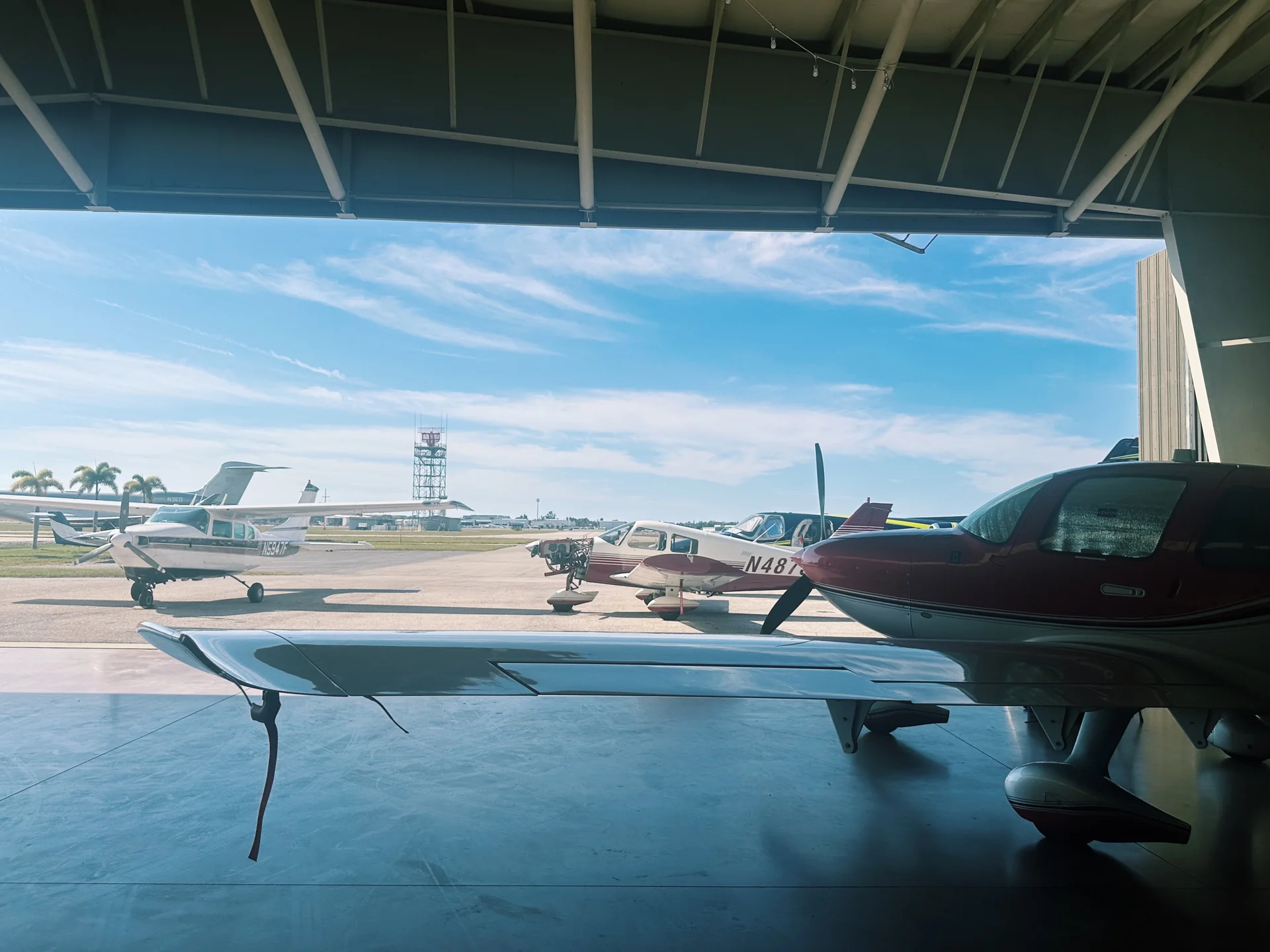
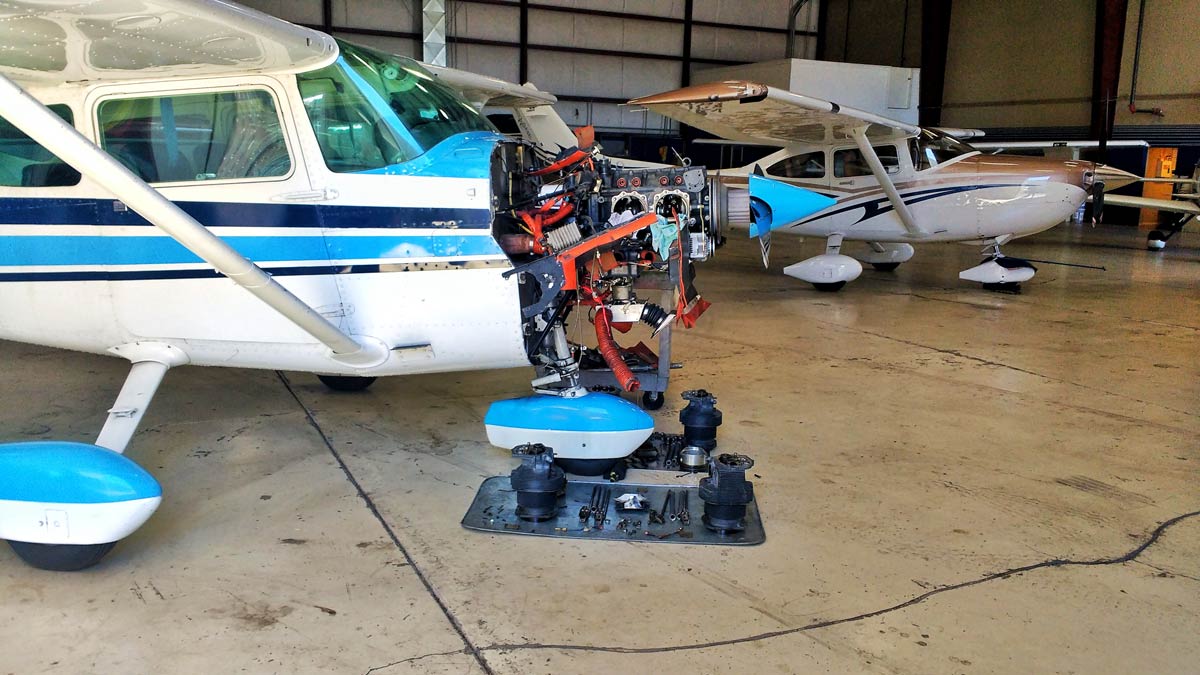
Storage conditions and operating history belong in the maintenance-planning conversation.
Budget for findings, not only the known task
An oil change has a defined starting scope. An inspection can uncover additional work. A realistic maintenance budget separates the known request from possible findings, parts, outside services, and return-to-service decisions. Ask how estimates, approvals, and scope changes will be communicated before work expands.
Useful questions include:
- What information should I send before arrival?
- Which records should accompany the aircraft?
- How will findings be documented and prioritized?
- Who approves added work, and how is that approval recorded?
- Could parts availability or outside services affect timing?
- What payment and pickup expectations apply?
Schedule backward from the flying you want to protect
If you have a family trip, business flight, proficiency plan, or seasonal travel window ahead, work backward. Create room for evaluation, findings, approvals, parts, corrective work, records, and an operational check when appropriate. The shop cannot know every finding before opening the aircraft, so a calendar with margin is more useful than a tight promised date.
Consider a simple rhythm:
- Review records and utilization monthly. Update projected due points.
- Capture discrepancies after every flight. Do not rely on memory.
- Start the shop conversation before the due window. Share aircraft details and known needs.
- Recheck the plan before major travel. Compare the trip date with due items and unresolved squawks.
- Close the loop after service. Review entries, updated statuses, and the next planning dates.
Owners who also rent or fly multiple aircraft can apply the same mission-first thinking in our guide to planning an aircraft checkout. The consistent habit is to resolve aircraft fit, records, requirements, and timing before the calendar becomes a constraint.
Questions Sarasota owners ask before maintenance
When should I schedule an annual inspection?
For aircraft operating under the annual-inspection rule, the inspection must have occurred within the preceding 12 calendar months. Begin planning before the due month, especially when travel, high utilization, known discrepancies, or parts research may affect the scope. Send a message to our maintenance team to start the conversation with your aircraft details.
Does my personal aircraft need a 100-hour inspection?
Not solely because it reached 100 hours. Applicability depends on how the aircraft is operated and which inspection requirements govern it. Submit a maintenance request with details about your aircraft and its operation so our team can help determine the appropriate inspection needs.
What should I send when requesting maintenance?
Start with manufacturer, aircraft type, current time, requested service, known discrepancies, relevant due items, and scheduling constraints. The form on our maintenance page gives you space for the aircraft and service details.
Should I wait until the annual to address a squawk?
A condition that may affect airworthiness or safe operation should not wait for calendar convenience. Record the observation and seek qualified guidance. For non-urgent items, coordinated planning may make sense after evaluation. You can reach us through our maintenance page.
How should I plan for Airworthiness Directives?
Track which ADs apply to the aircraft, engine, propeller, and installed appliances, along with the method of compliance and the next due point for recurring action. Keep that status with the required maintenance records and bring it into the planning review. Our maintenance team can use those details when discussing the requested work.
Start your next maintenance window with a clearer plan
The best time to organize the next shop visit is while the aircraft is still available and the calendar still has room. Bring the records, current time, squawk list, expected utilization, and the flying dates you want to protect.
We handle maintenance requests for personal aircraft in Sarasota, including oil changes, annual and 100-hour inspections, altimeter and transponder work, AD compliance, tire replacement, general inspections, pre-buy inspections, and other listed needs. Submit an aircraft maintenance request so our team can review your aircraft details and discuss current scope, scheduling, and rates.