How to Combine Flight Training With an Online Aviation Degree
Published by:
Jacob Kyser
You finish an online aviation assignment in the morning, drive to the airport in the afternoon, and put the same ideas to work during preflight and in the cockpit. Combining flight training with an online aviation degree can work well because the academic and practical sides can move forward together.
The arrangement still requires a real plan. Online does not mean effortless, and flight lessons do not always follow a perfect calendar. Weather, aircraft scheduling, checkride preparation, exams, work, and family obligations all compete for the same week.
At Universal Flight Training, we help students look at the path as two coordinated tracks: an academic plan managed with the university and a hands-on training plan built around the FAA certificates and ratings they need.
Start by deciding what the degree should add to your training
Flight training teaches you to operate an aircraft and earn FAA certificates and ratings. An aviation degree adds college-level study that may include areas such as aviation operations, safety, meteorology, human factors, leadership, and management.
Those are connected goals, but they are not interchangeable. A degree does not replace the practical experience, knowledge tests, endorsements, and checkrides required for pilot certification. Pilot certificates also do not automatically complete a bachelor’s degree.
Before enrolling, write down what you want the degree to do:
- Build a broader understanding of aviation beyond cockpit skills
- Support a long-term goal in professional flight or aviation management
- Give you an academic credential that may matter to particular employers
- Create a flexible college path while you continue working or training locally
A bachelor’s degree is not a universal FAA requirement for becoming a professional pilot. Your target employers may have their own preferences, so compare the degree with the career path you actually intend to pursue. Our pilot training guide can help you map the flight side before you add an academic schedule.
Build one roadmap for two separate sets of milestones
The cleanest plan puts academic terms and flight-training milestones on the same page. For many career-track students, the flight sequence may include Private Pilot, an Instrument Rating, Commercial Pilot training, a Multi-Engine Rating, and Certified Flight Instructor training.
Your exact sequence can differ based on your starting point and goals. The useful planning move is to identify which milestone is likely to demand the most attention during each academic term.
| Stage | Flight-training focus | Academic planning focus |
|---|---|---|
| Beginning | Private Pilot fundamentals, preflight habits, aircraft control, and solo preparation | Establish a sustainable online-study routine before the flight workload intensifies |
| Building capability | Instrument Rating procedures, weather decisions, and cockpit workload | Pair technical courses carefully with heavier flight and simulator preparation |
| Career preparation | Commercial Pilot training and advanced proficiency | Protect time for major assignments, knowledge tests, and checkride preparation |
| Instructor development | Certified Flight Instructor training and teaching practice | Use communication, leadership, and human-factors coursework to support instructional thinking |
Do not build the calendar around ideal completion dates alone. Add room for weather, maintenance, instructor availability, exam weeks, and lessons that need to be repeated. A flexible buffer protects progress on both tracks.
Treat transfer credit as a planning conversation, not an assumption
Universal Flight Training is currently listed as a Purdue Global alliance flight-school partner. Purdue Global’s Bachelor of Science in Professional Flight allows students to complete nonflight aviation coursework online while earning required pilot qualifications through an approved flight partner.
Under current Purdue Global policy, eligible students who complete the specified FAA certificates and ratings may receive up to 45 transfer credits. The university determines eligibility and applies its current degree and prior-learning policies, so request an official credit evaluation before treating those credits as part of your budget or graduation timeline.
This is especially important if you already hold a pilot certificate, have previous college credit, or plan to complete ratings in a different order. Start with our university program overview, then confirm admissions requirements, accepted credit, and the current degree plan directly with Purdue Global.
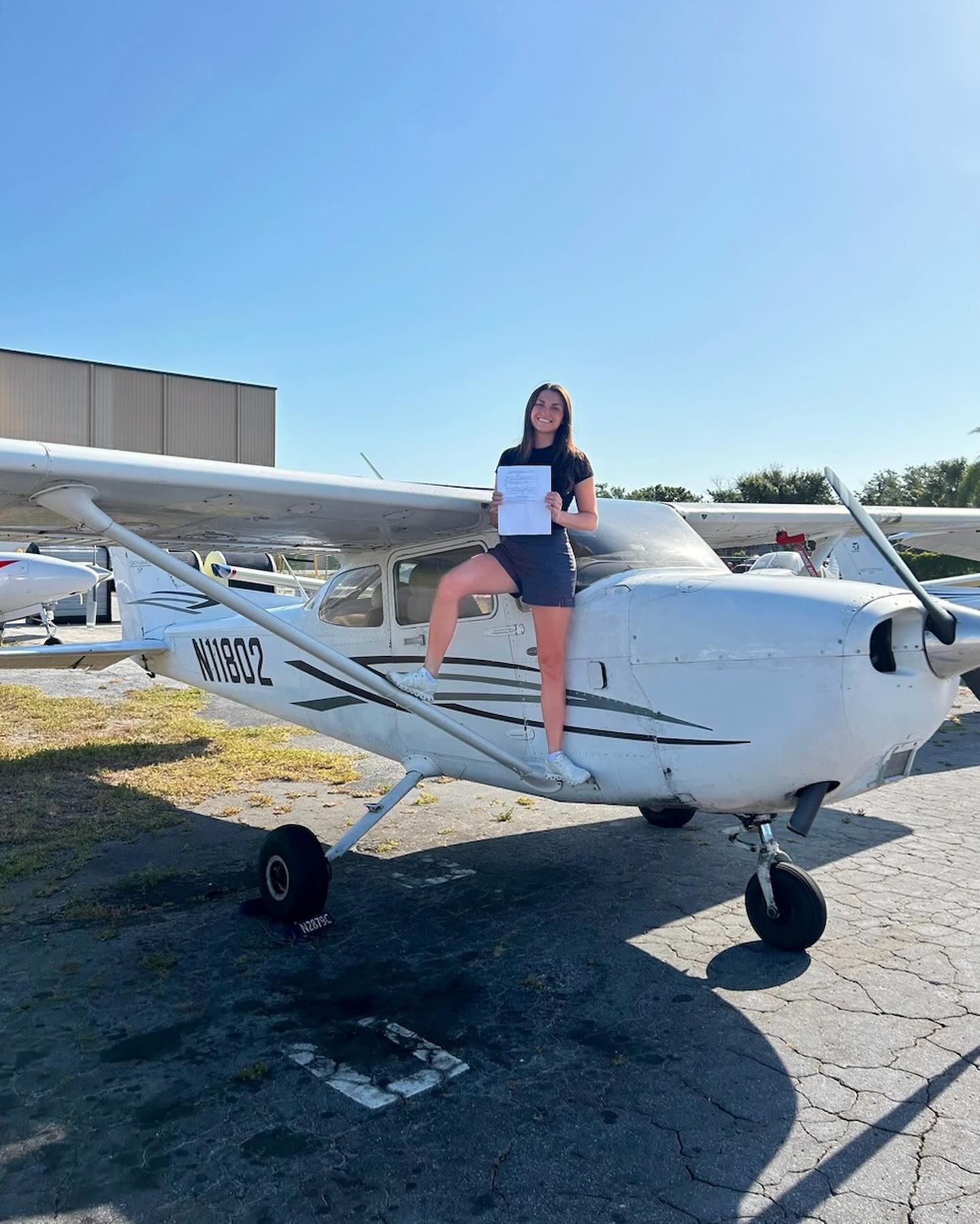
FAA certificates can mark both a training milestone and a possible transfer-credit conversation.
Design a weekly schedule that can survive real flight training
Online coursework gives you flexibility, but it still demands focused hours. Purdue Global currently estimates 15 to 18 hours of weekly course effort for the Professional Flight bachelor’s program. Your actual academic load will depend on course enrollment, study habits, and prior knowledge.
Then add flight-training time:
- Lesson preparation and assigned reading
- Travel to and from Sarasota Bradenton International Airport
- Preflight, flight, and post-flight debrief
- Ground instruction and independent study
- Simulator sessions when they support the lesson objective
- Knowledge-test and checkride preparation
A practical week might protect two or three possible flight windows, several shorter study blocks, and one catch-up block. Not every flight window will become a completed lesson. A weather cancellation can become ground-study or coursework time instead of a day that disappears.
At SRQ, radio communication, taxi planning, and controlled-airspace routines are part of the training environment. Arriving prepared helps you use that lesson time well. Learn more about our training location as you estimate travel and weekly availability.
Keep academic learning and cockpit learning connected
The biggest benefit of combining the two paths is letting each side sharpen the other.
An aviation meteorology course can deepen the questions you bring to a weather briefing. Human-factors coursework can give you a better vocabulary for fatigue, workload, and decision-making. Operations or management courses can help you see how individual flights fit into a larger aviation system.
The exchange also moves the other way. A busy radio call, an unstable approach corrected during training, or a detailed post-flight debrief gives academic ideas a real setting. Use a simple habit after each lesson: write down one cockpit experience that connects to your current coursework and one classroom concept you want to discuss with your instructor.
For instrument students, our flight simulator can provide another setting to slow down procedures, repeat decisions, and connect technical study with practical workflow.
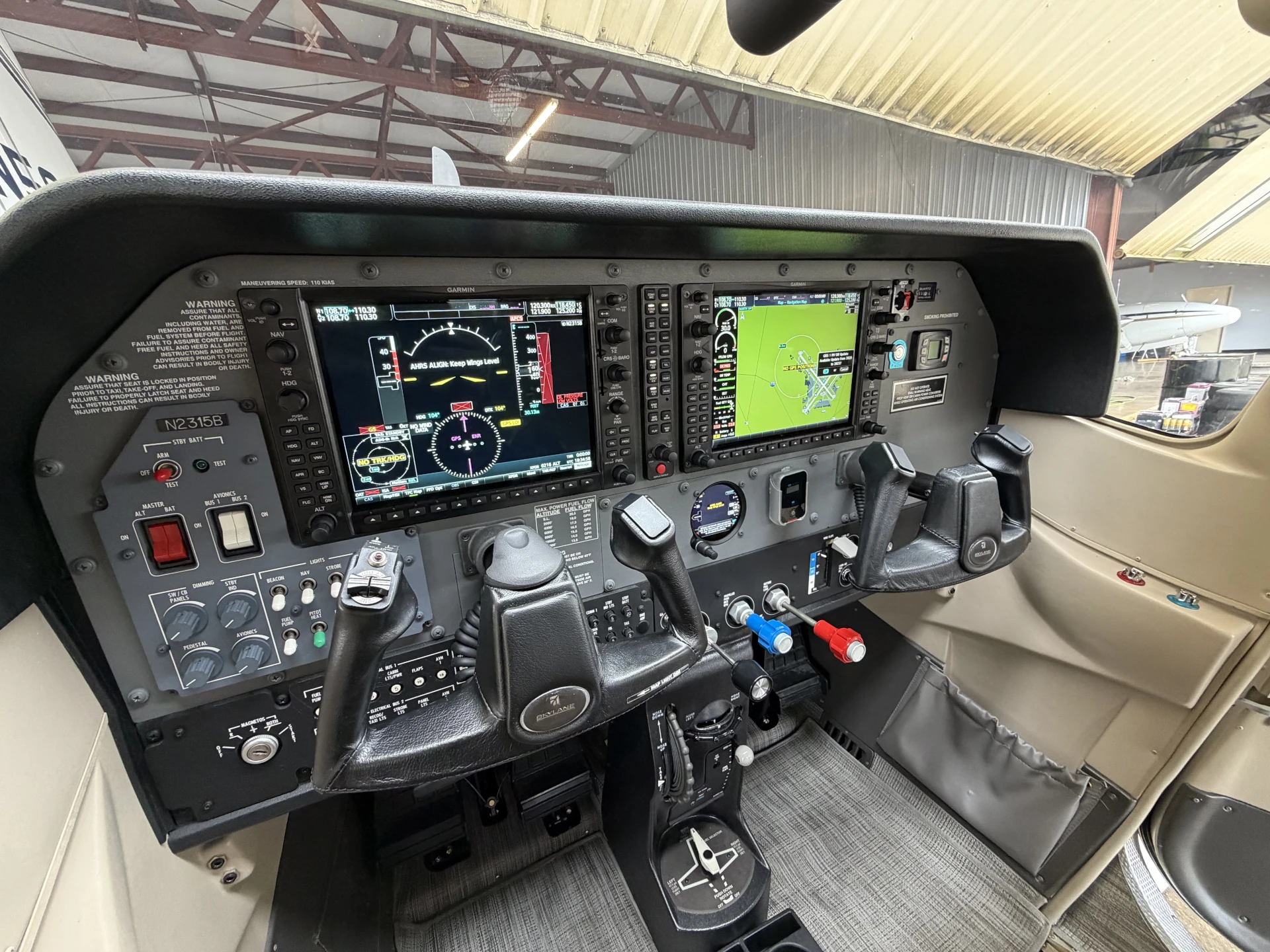
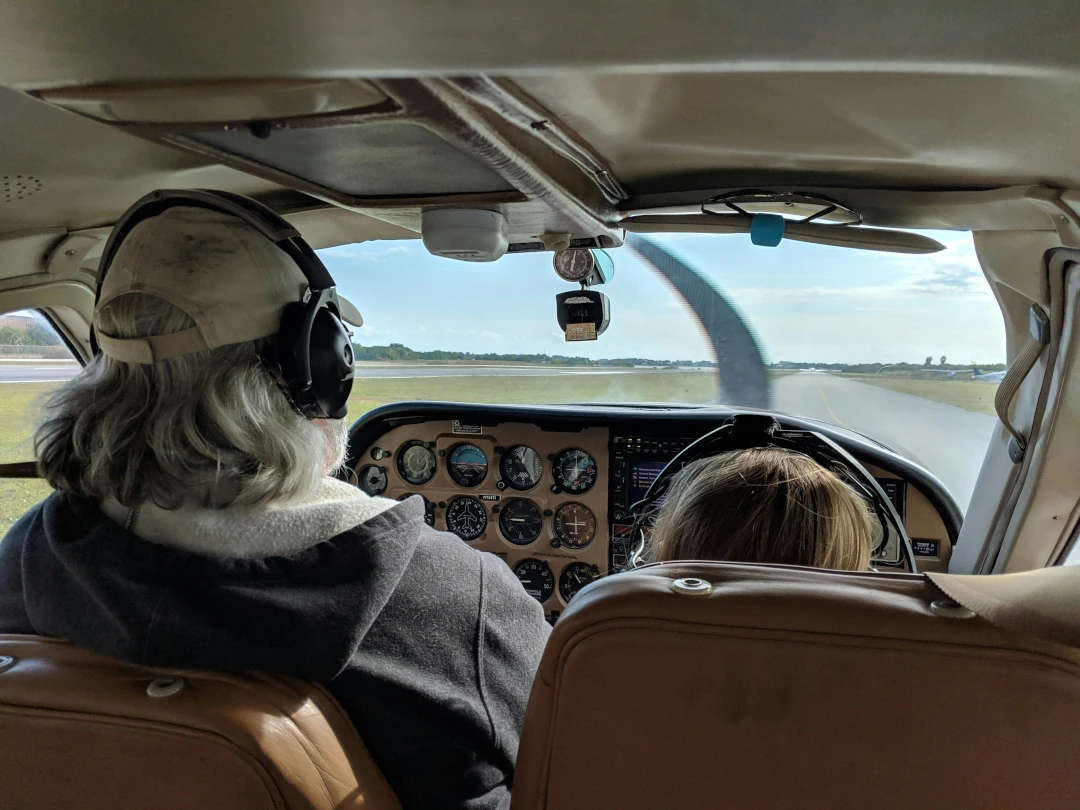
Academic concepts become more useful when you connect them to real cockpit procedures and decisions.
Budget the degree and flight training as two cost tracks
Students in an alliance pathway generally pay university tuition and course fees to the university and flight-training costs to the flight school. Keeping those budgets separate makes the full commitment easier to understand.
Your planning sheet should include:
- University tuition, fees, materials, and technology needs
- Aircraft and instructor time
- Ground instruction and simulator use
- FAA knowledge tests, practical tests, and medical-exam costs
- Headset, charts, subscriptions, and training supplies
- Transportation and a buffer for additional training time
Transfer credit may reduce the academic time and tuition required, but only the university can determine what applies to your record. Current partner benefits and financial aid also have eligibility rules.
For flight costs, financing options may be available to qualified applicants through third-party providers. Lenders determine approval and terms. Compare monthly cash flow, interest, disbursement timing, and what expenses a financing product covers before you commit.
Know when combining both paths may be too much
The combined approach fits students who can protect regular study time, adapt when flight schedules move, and keep communication open with both their academic advisor and instructor. It can be harder when work hours change constantly, finances leave no buffer, or the student is already struggling to train consistently.
Watch for signs that your plan needs adjustment:
- You repeatedly arrive at lessons without completing preparation
- Academic deadlines force you to cancel most flight opportunities
- Weather cancellations create panic because the timeline has no buffer
- You are borrowing without a clear picture of both education and training costs
- You are progressing toward certificates without understanding how they fit the degree plan
Changing course load or training pace is not failure. A sustainable plan is more valuable than an impressive calendar that falls apart after one difficult month. Our article on accelerated flight training can help you compare pace with retention, workload, and life commitments.
Questions to answer before you enroll
Bring these questions to your conversations with the university and flight school:
- Which aviation degree fits my goal: professional flight, aviation management, or another field?
- Which FAA certificates and ratings are included in the degree requirements?
- How will my existing college credit and pilot qualifications be evaluated?
- What weekly academic workload should I expect with my proposed course load?
- How often can I realistically train without sacrificing lesson preparation?
- What happens to my degree plan if flight training takes longer than expected?
- Which costs belong to the university, flight school, testing providers, and examiner?
- What financing or partner benefits am I eligible to apply for?
These answers give you something better than a fast enrollment decision: a coordinated plan you can actually follow. You can review our flight school FAQs for more questions about beginning training.
Frequently asked questions
Can I complete an aviation degree entirely online?
The nonflight coursework in Purdue Global’s Professional Flight program is offered online, but pilot certification still requires hands-on flight training, instructor endorsements, knowledge testing, and practical tests. Review our university pathway to see how the two parts connect.
Do I need to finish flight training before starting the degree?
Not necessarily. Purdue Global describes concurrent enrollment through approved flight-school partners, subject to its admissions requirements and degree policies. Coordinate the timing with both the university and our enrollment team.
Will my pilot certificates count for college credit?
Eligible FAA certificates and ratings may be evaluated for credit under the university’s current policy. The amount depends on the qualifications completed and the official evaluation. Our Professional Flight pathway is the starting point for that conversation.
Does an aviation degree replace FAA pilot certificates?
No. College degrees and FAA pilot qualifications are separate credentials with different requirements. Start with the Private Pilot course if you are new to flight training.
Will an aviation degree guarantee an airline job?
No degree or flight school can guarantee employment. Pilot certification, flight experience, medical eligibility, airline requirements, interviews, and hiring conditions are separate factors. Our commercial pilot program explains one training milestone without treating it as a job promise.
Can financial aid pay for flight training?
Funding rules depend on the university, aid program, lender, and how expenses are structured. Separate the academic and flight-training budgets, then review current flight-training financing options and university aid information before making assumptions.
Build a plan that works in the classroom and the cockpit
Combining flight training with an online aviation degree can give you academic depth without stepping away from hands-on progress. The right plan aligns your course load, training frequency, budget, transfer-credit review, and career goal before the busiest weeks arrive.
Contact Universal Flight Training to talk through your current experience, weekly availability, and next flight-training milestone. We will help you build the flight side of the plan and connect it to the university pathway you are considering.