How to Choose a Flight School in Florida: Six Factors to Consider
Published by:
Joe Vasquez
Choosing a flight school in Florida involves far more than finding the nearest airport or the lowest advertised hourly rate. You are choosing the instructors, aircraft, schedule, and support system that will shape every lesson, and determine how well your time and budget turn into progress.
The short answer is to compare schools using six practical factors: program fit, scheduling, school type, total cost, instructors, and the training environment with its student support. Start with your intended outcome, visit in person, ask for a written estimate, and look closely at how the school operates. These six factors will help you make that comparison before you start flight training in Florida.
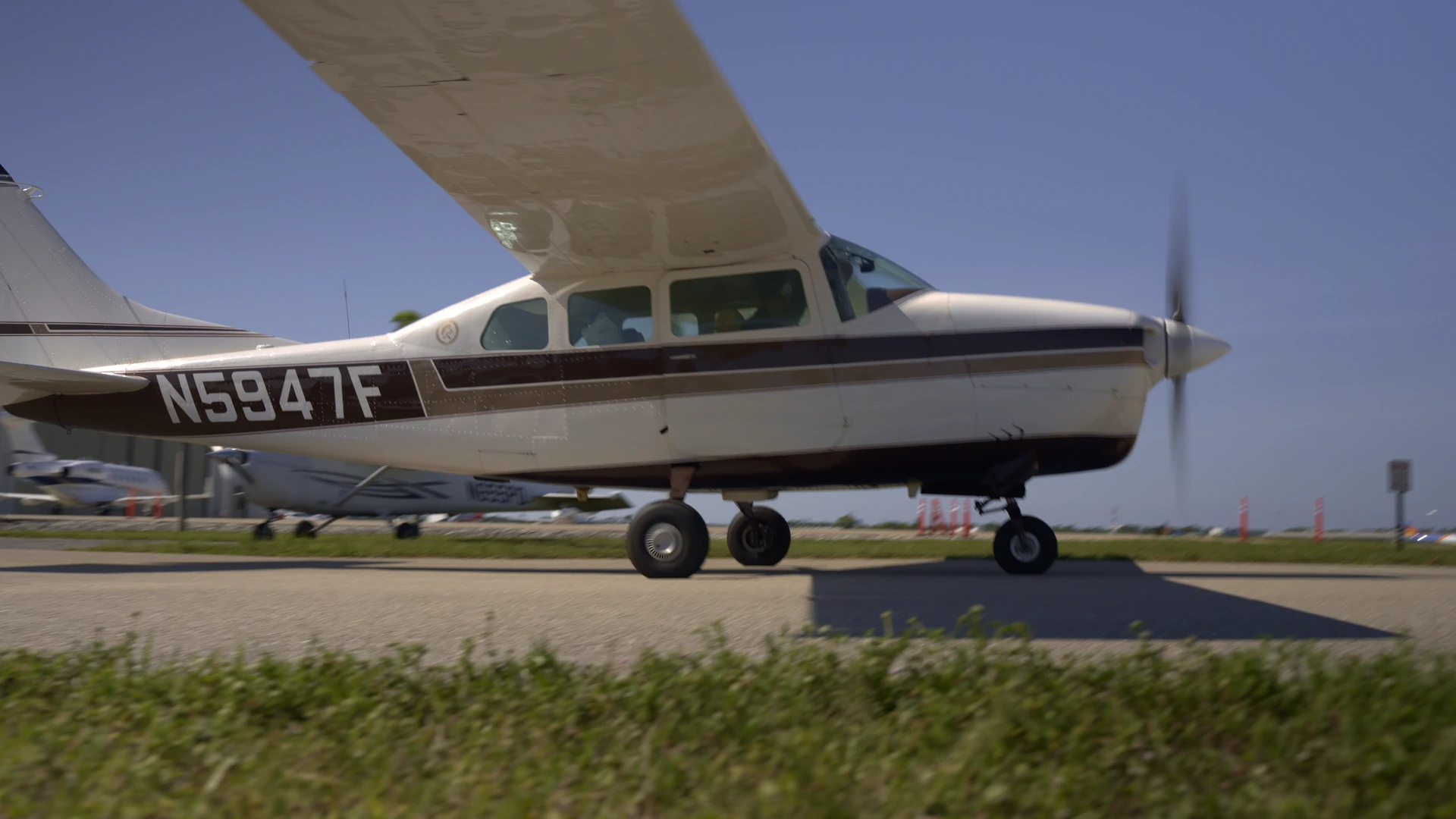
A school visit should include the ramp, aircraft, and everyday training environment.
1. Start with the pilot you want to become
Before comparing aircraft or hourly rates, define what you want flying to become in your life. A future recreational pilot, a career-focused student, and a certificated pilot adding an instrument rating may all need different schedules, equipment, and support.
Write down three things before contacting a school:
- Your goal
Flying for personal travel, earning a first certificate, adding a rating, or building a professional pathway. - Your realistic weekly availability
The days and times you can protect consistently. - Your planning range
What you can commit in time and money without depending on a best-case completion estimate.
If your direction is still taking shape, compare the current pilot training programs or use our pilot-path quiz to narrow the first conversation. A good school should help you identify the right next step without pressuring you to commit to an entire career path on day one.
Use this six-factor checklist before you enroll
Bring this table to every tour or enrollment call. Specific answers are more useful than polished promises.
| Factor | Evidence worth looking for | Warning sign |
|---|---|---|
| 1. Program fit | A clear explanation of the certificate path, lesson sequence, progress tracking, and expected preparation | Pressure to commit before your direction is clear |
| 2. Scheduling | Realistic lesson frequency, current availability, cancellation rules, and rescheduling procedures | No clear answer about how often you can fly |
| 3. School type | A precise explanation of the Part 61 or Part 141 structure that applies | Vague claims about FAA status or automatic advantages |
| 4. Total cost | Aircraft, instructor, ground time, supplies, tests, examiner fees, and extra-time assumptions shown separately | One attractive total with unclear inclusions |
| 5. Instructors | A chance to discuss briefing, debriefing, feedback, progress tracking, and continuity | Pressure to enroll before meeting the training team |
| 6. Environment and support | Suitable aircraft, maintenance communication, written policies, and named contacts for student questions | A sales conversation disconnected from everyday training |
If you are considering training with us, review our flight instructors and staff, explore the training fleet, and bring the remaining questions to an in-person conversation with our team.
2. Choose a schedule that protects your momentum
Flexible scheduling only helps when the school’s real availability matches yours. Ask which days and times are most in demand, how far ahead students schedule, what happens when an instructor changes, and how weather cancellations are rebooked.
Consistency matters because a long gap between lessons can turn the next flight into a review session. The right frequency still depends on your budget, learning pace, ground preparation, and life outside the airport. Our guide to how many flight lessons to schedule each week can help you plan a sustainable rhythm before you commit.
Look for a school that can explain how it protects continuity in practical terms. If your availability is limited to evenings or weekends, ask to see what that schedule would look like with current instructor and aircraft demand.
3. Compare Part 61 and Part 141 by structure and fit
Part 61 and Part 141 describe different federal training frameworks. Part 141 schools use FAA-approved course curriculums with prescribed records and structure. Training conducted under Part 61 can allow more flexibility in pacing and lesson organization while the applicant still meets the applicable certificate or rating requirements.
Each path has a different structure and set of tradeoffs. The better fit depends on your schedule, funding, learning style, intended program, and the quality of the specific school. The FAA’s pilot-school guidance offers a useful starting point for understanding the distinction.
When you compare structures, ask each school to explain:
- Which framework applies to the program you are considering?
- How is progress documented and reviewed?
- What happens if you need to pause or change pace?
- Does your funding source require a particular training structure?
- Which requirements are regulatory minimums, and which estimates reflect the school’s actual planning assumptions?
Then compare those answers with the certificate or rating you are considering in our current training program lineup.
4. Compare the complete estimate behind the hourly rate
An aircraft rate is only one line in a flight-training budget. A useful estimate separates aircraft rental, flight and ground instruction, learning materials, knowledge-test fees, practical-test or examiner fees, aircraft use for the practical test, medical-exam costs, supplies, and any likely additional training beyond a minimum-hour package.
FAA minimum hours establish eligibility. Actual completion time and cost vary with proficiency, lesson frequency, weather, aircraft and instructor availability, ground preparation, and practical-test scheduling. Our Florida flight-training cost guide explains the variables you should include in your plan.
Ask every school for the same information so you can make an apples-to-apples comparison:
- Which costs are included and excluded?
- Is the estimate built on minimum hours or a broader planning range?
- How are aircraft, instructor, and ground-instruction charges calculated?
- What costs are paid directly to third parties?
- What happens financially if training takes longer or you pause?
If borrowing is part of your plan, review the school’s flight-training financing options early. Financing options may be available to qualified applicants; approval and terms come from the lender. Compare interest, fees, repayment timing, total borrowing cost, and the monthly payment.
5. Meet the instructor who will turn hours into skill
Instructor credentials are one part of a productive student-instructor relationship. Communication, preparation, and continuity also shape the experience. During a visit, ask how instructors set lesson objectives, brief before flight, debrief afterward, record progress, and decide when a student is ready to advance.
You should leave that conversation knowing:
- Who is likely to be your primary instructor?
- How does the school handle an instructor change?
- How will you see what is complete and what still needs work?
- What ground preparation is expected before each lesson?
- How are weak areas addressed before a practical test?
Our Chief Flight Instructor knows that an instructor’s total flight hours tell only part of the story. When you meet the flight training team, ask how they communicate, teach, and track your progress.
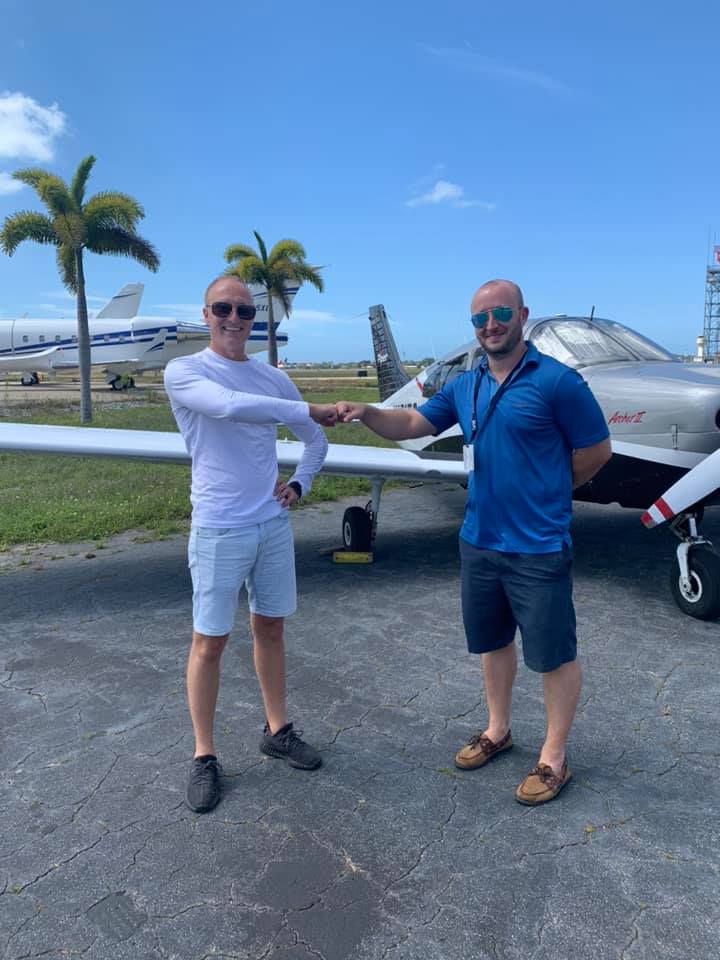
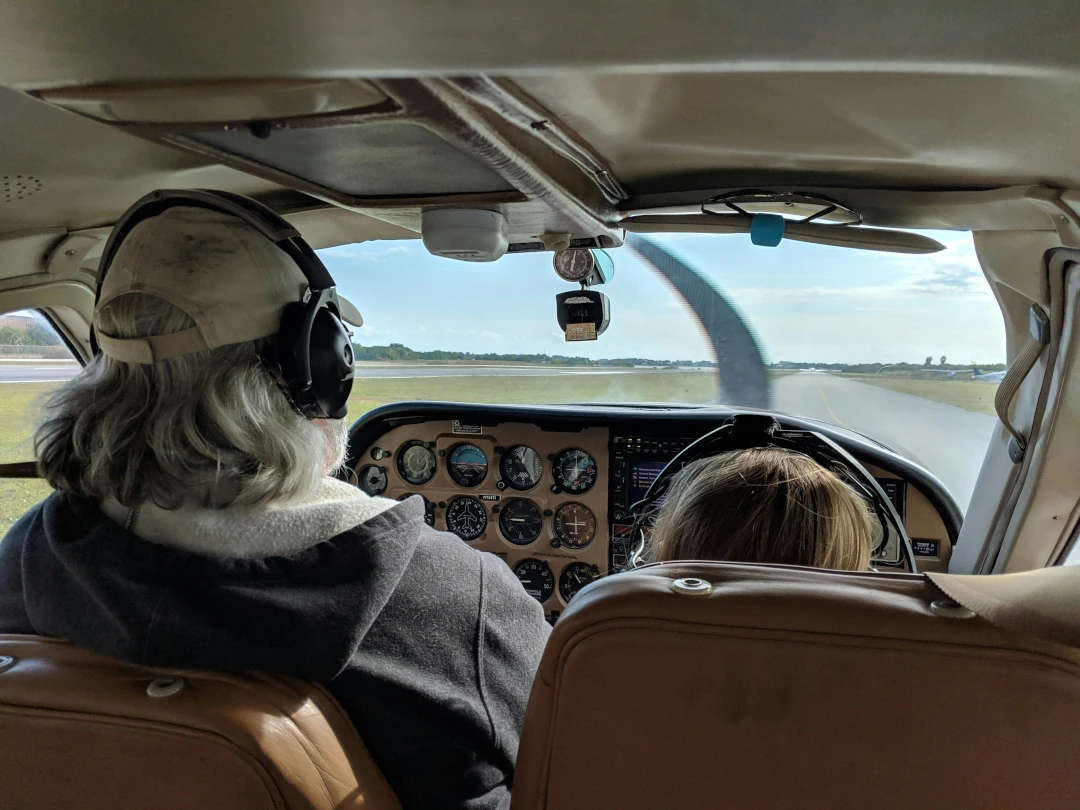
Clear instruction, feedback, and steady support help turn individual lessons into progress.
6. Inspect the aircraft, environment, and student support
A long fleet list leaves an important question unanswered: will the right aircraft be available for your lessons? Ask which aircraft normally support your program, how often students change between aircraft, what avionics you will use, and what backup options exist when an aircraft is unavailable.
Different equipment can broaden experience. Early training often benefits from enough consistency to build repeatable habits, while later exposure to different avionics or aircraft may support a specific next step. We can help you compare the aircraft in our current fleet with the lessons and rating you are planning.
Safety questions deserve specific operational answers. Ask how discrepancies are reported, how students are taught preflight decision-making, how maintenance-related schedule changes are communicated, and who has the authority to cancel a flight. Avoid judging a school by claims such as “safest” or “newest” alone; look for observable processes and candid communication.
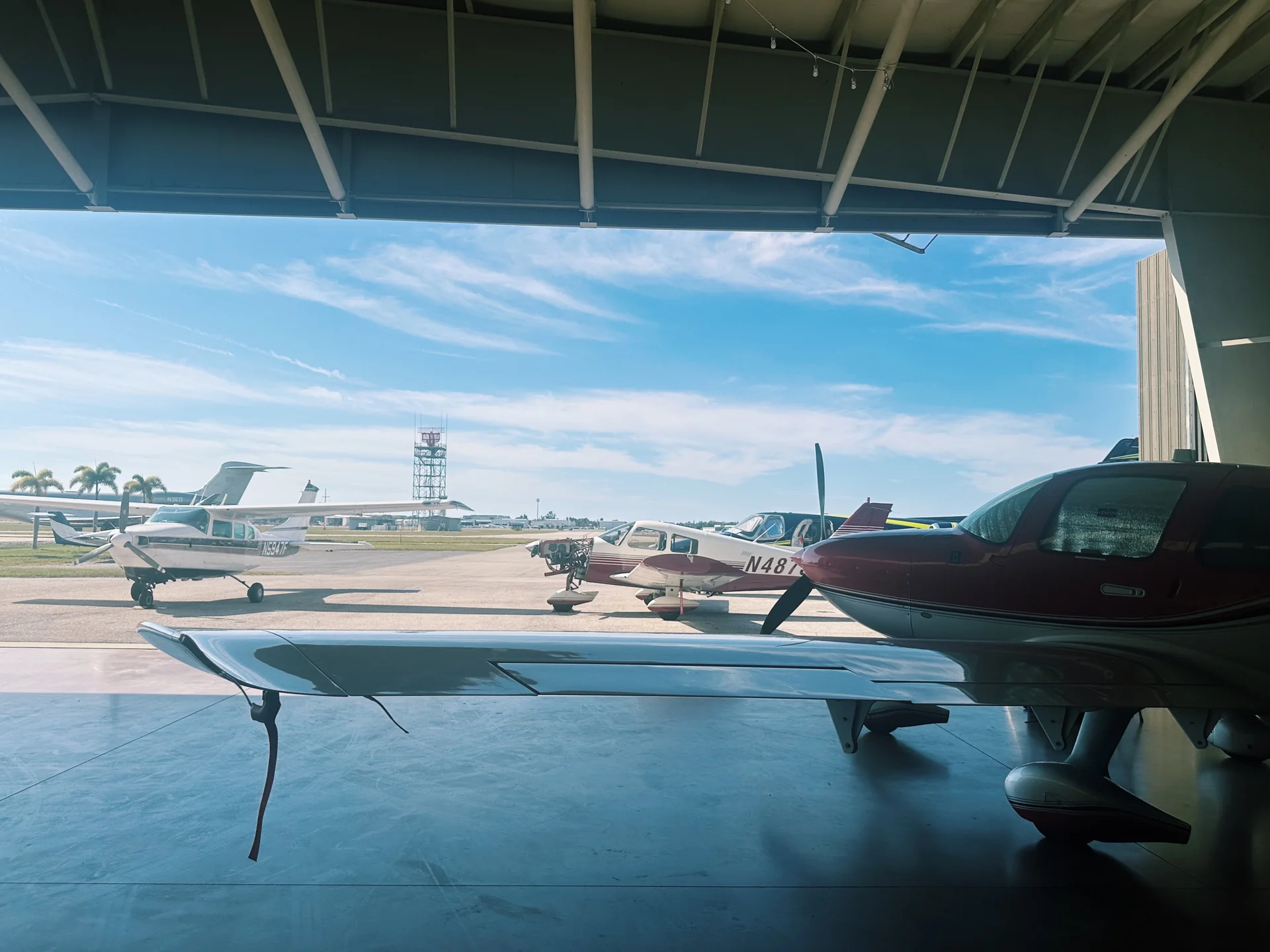
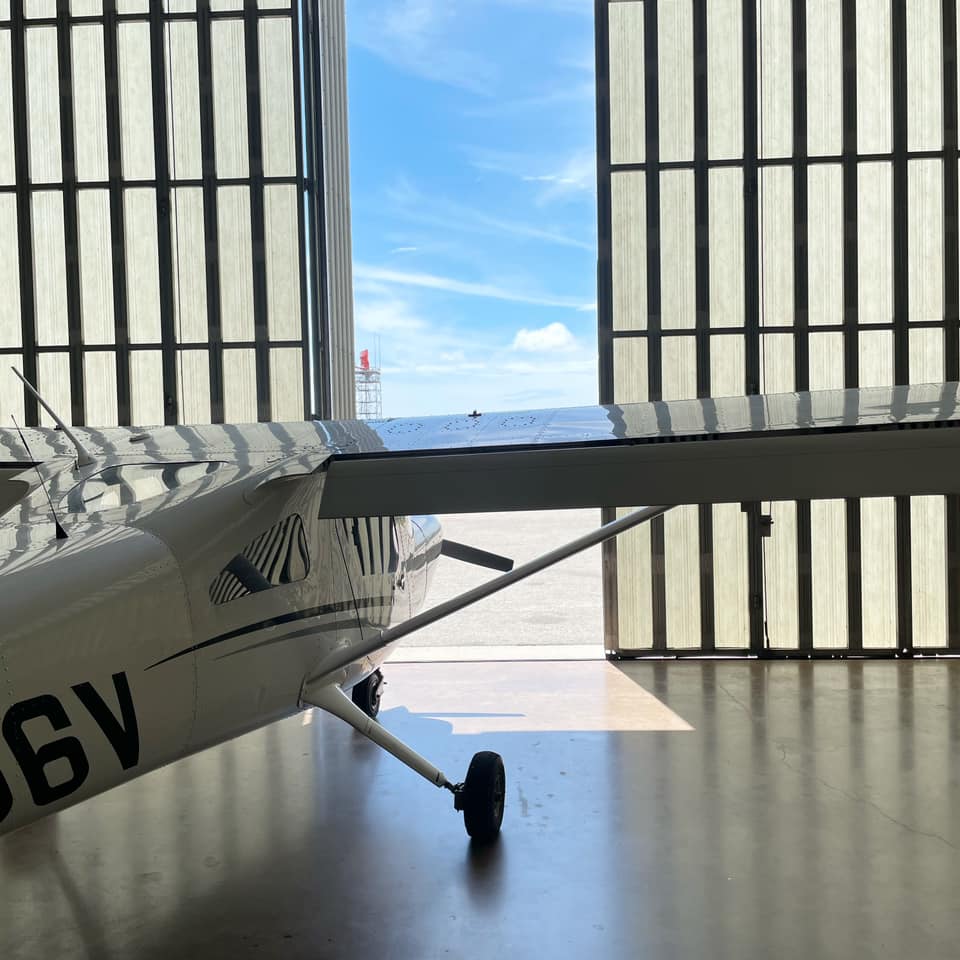
Ask how aircraft availability, discrepancies, and maintenance changes are communicated to students.
Judge the Florida training environment by the operation you will use
Florida’s training environment varies from one airport and season to another. Airport traffic, airspace, weather patterns, runway layout, nearby practice areas, and seasonal demand can all shape a student’s day. A school should explain the operational tradeoffs at its airport without promising uninterrupted, year-round flying.
Universal Flight Training is based at Sarasota Bradenton International Airport (SRQ). Training at a towered airport makes radio communication, taxi planning, and controlled-airspace routines part of the normal training environment. Non-towered airports can develop other important traffic-awareness and pattern-discipline habits. Both settings offer useful experience.
During your visit, ask how much lesson time commonly goes to ground movement and transit, where practice flights are conducted, how changing weather is handled, and how cancellations are rescheduled. Explore our Sarasota flight-training location for local context before you tour the airport.
Take a discovery flight and notice how the school actually teaches
A tour shows you the facility. A discovery flight shows you the learning environment. Pay attention to whether the instructor explains what will happen, invites questions, uses checklists deliberately, and gives you a useful debrief after the flight.
Use the experience to notice details that are difficult to capture on a website:
- Did the staff know you were coming?
- Was the aircraft and lesson plan ready?
- Did the instructor explain decisions without talking down to you?
- Were cost and next steps clear?
- Did the staff invite you to learn without rushing you to buy?
A discovery flight is a practical way to experience the cockpit, the environment, and the teaching approach before making a larger training commitment.
Ask these final questions before paying a deposit
Before money changes hands, request the current policies and estimate in writing. A clear enrollment decision should survive a night away from the sales conversation.
- Which certificate or rating am I starting, and what training structure applies?
- Who will be my instructor, and what happens if that person becomes unavailable?
- How many lessons can I realistically schedule during my available times?
- Which aircraft will I normally use, and what is the backup plan?
- What does the estimate include, exclude, and assume?
- How are weather, maintenance, and student cancellations handled?
- How will I track progress and know when I am ready for the practical test?
- Which fees go to the school, and which are paid to outside providers or examiners?
- What financing terms should I verify directly with the lender?
- If I pause or change schools, how will I receive my records and account balance?
Bring your training objective, schedule, and budget range when you contact our team. We can help you turn those answers into a realistic starting plan.
Florida flight school FAQ
Should I choose the closest flight school?
Convenience supports frequent training when travel does not disrupt your schedule. Weigh distance alongside instructor availability, aircraft access, costs, policies, and training fit. Compare nearby options using the same checklist, then review the Florida communities served by UFT.
Is Part 141 always better than Part 61?
No. Part 141 uses approved curriculums and a more prescribed school structure; Part 61 can allow more pacing flexibility. Your intended path, funding, schedule, and learning needs determine which structure fits. Start with the program you want to pursue, then ask what framework applies.
How many times per week should I fly?
There is no single frequency for every student. Choose a rhythm you can sustain financially and logistically, with enough consistency to avoid excessive review. Use our weekly flight-lesson planning guide to prepare for the scheduling conversation.
Should I get an FAA medical before enrolling?
You can generally take lessons with an instructor before obtaining a medical certificate. But, students should address medical eligibility early. Medical requirements and alternatives depend on the operation, so use current FAA guidance and consult an Aviation Medical Examiner for personal eligibility questions. Our private pilot course page can help you frame the other prerequisites to discuss with the school.
What is the biggest mistake when comparing flight-school prices?
Comparing one hourly rate or minimum-hour package as though it were the final cost. Ask for the assumptions and exclusions behind each estimate, then use the same categories for every school. Review financing and payment resources separately from the training estimate.
Does training at a towered airport help?
It can make radio communication, taxi planning, and controlled-airspace procedures part of normal training. Non-towered airports offer valuable experience as well. Focus on how the school uses its environment to support your development. Learn more about training at SRQ in Sarasota.
See whether the school fits from the cockpit
The strongest evidence comes from seeing how a school operates when you arrive. Meet the people, walk the ramp, review the estimate, and experience one lesson before making a larger commitment.
Book a discovery flight with us and see how our team, aircraft, and SRQ training environment fit your next step.