IMSAFE and PAVE Checklists for Pilot Decision-Making
Published by:
Jacob Kyser
A good pilot decision often happens before the airplane moves. You look at the weather, the aircraft, your own condition, the plan for the lesson, and the quiet pressure to “just go anyway.” The IMSAFE and PAVE checklists give pilots a repeatable way to slow that moment down.
At Universal Flight Training (UFT) in Sarasota, we teach decision-making as a cockpit skill, not a side topic. These checklists do not guarantee a perfect outcome, and they are not a substitute for regulations, weather planning, instructor guidance, or pilot judgment. They are practical tools that help you recognize risk early, talk about it clearly, and make a better go/no-go decision.
Why Good Pilot Decisions Start Before Engine Start
Most new pilots expect decision-making to feel dramatic: clouds building ahead, a radio call at the wrong moment, or a rough-running engine in flight. In real training, many decisions begin much earlier. You may be tired after work, rushing to make a lesson, unsure about a maintenance note, or watching Gulf Coast weather change faster than expected.
That is why we connect checklist habits to every stage of flight training. A written checklist keeps you from relying only on mood, excitement, or schedule pressure. It gives you a simple way to ask, “What is actually true about this flight right now?”
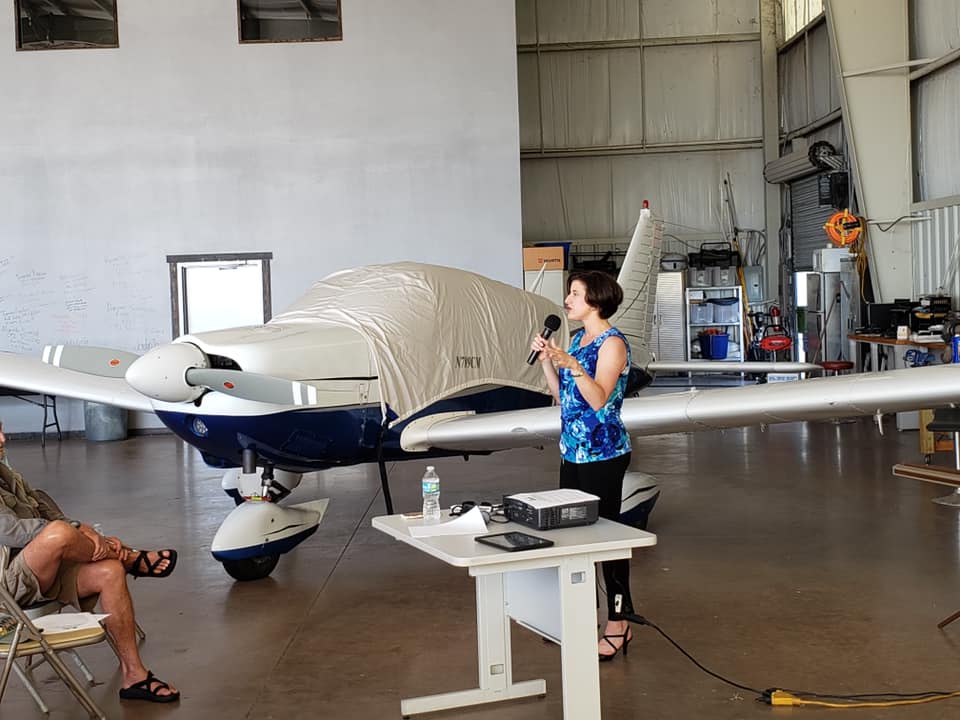
Risk management begins with clear thinking before the flight, not only with control inputs in the aircraft.
The habit matters whether you are preparing for a Discovery Flight, working toward your Private Pilot certificate, or building more advanced skills in Instrument Rating training. The earlier you learn to pause and evaluate risk, the more natural that judgment becomes when the cockpit gets busy.
IMSAFE Checks the Pilot First
IMSAFE is the personal-readiness checklist. Pilots use it to review Illness, Medication, Stress, Alcohol, Fatigue, and Emotion before flying. The point is not to prove you are tough enough to push through. The point is to be honest about whether you are ready to act as a safe, alert pilot.
| IMSAFE | What you are checking | Why it matters |
|---|---|---|
| Illness | Are you sick, congested, dizzy, or distracted by symptoms? | Even minor symptoms can affect focus, comfort, and performance. |
| Medication | Have you taken anything that could affect alertness or judgment? | Medication questions deserve conservative thinking and proper medical guidance. |
| Stress | Are personal, work, school, or financial pressures pulling your attention away? | Stress can narrow attention and make small issues feel harder to manage. |
| Alcohol | Is there any alcohol-related impairment or timing concern? | Alcohol and flying do not mix; pilots must respect both rules and judgment. |
| Fatigue | Are you rested enough to learn, communicate, and respond well? | Fatigue can make normal cockpit workload feel overwhelming. |
| Emotion | Are emotions, hunger, dehydration, or nutrition affecting your readiness? | Physical and emotional condition shape how you think under pressure. |
For student pilots, IMSAFE also helps you have a better conversation with your instructor. If fatigue or stress is the issue, the right answer may be a ground lesson, simulator session, or rescheduled flight. Our pilot training programs are built around progress, but progress does not require forcing a flight when the better learning decision is to adjust the plan.
The strongest pilots treat IMSAFE as a quick, honest check on the one risk factor they bring to every flight: themselves.
PAVE Looks at the Whole Flight
PAVE widens the view. It helps pilots evaluate risk through four lenses: Pilot, Aircraft, enVironment, and External pressures. If IMSAFE asks, “Am I ready?” PAVE asks, “Is this whole flight still a good idea?”
| PAVE | What to evaluate | A practical student-pilot example |
|---|---|---|
| Pilot | Experience, recency, currency, physical, and emotional condition. This is where the IMSAFE checklist comes in. | You are legal for the lesson, but you have not flown in several weeks and feel rusty. |
| Aircraft | Aircraft condition, equipment, fuel, performance, and known discrepancies. | The aircraft is available, but you need to understand whether a squawk affects the planned lesson. |
| enVironment | Weather, airport, airspace, terrain, visibility, wind, and route. | Afternoon weather near the Gulf Coast may change the cross-country plan. |
| External pressures | Schedule, passengers, money, expectations, or desire to complete the mission. | You want to finish a milestone today, but the conditions are not matching the lesson goal. |
This is where aviation decision-making becomes real. A single risk may be manageable. Several small risks stacked together can change the answer. At UFT, our instructors help students learn that a smart no-go is a pilot decision and not a failed flight.
You will use this kind of thinking throughout training, from local maneuvers to cross-country flight planning and later instrument work. PAVE helps you see the flight as a system instead of a list of disconnected tasks.
How IMSAFE and PAVE Work Together
IMSAFE and PAVE are strongest when you use them together. IMSAFE starts with personal readiness. PAVE adds the aircraft, weather, route, airport environment, and pressure around the flight.
Here is a simple flow:
- Start with IMSAFE before you commit mentally to the flight.
- Move to PAVE during preflight planning and again if conditions change.
- Identify risks that can be managed with a clear mitigation.
- Delay, change the lesson, use the simulator, or cancel when the combined risk is not acceptable.
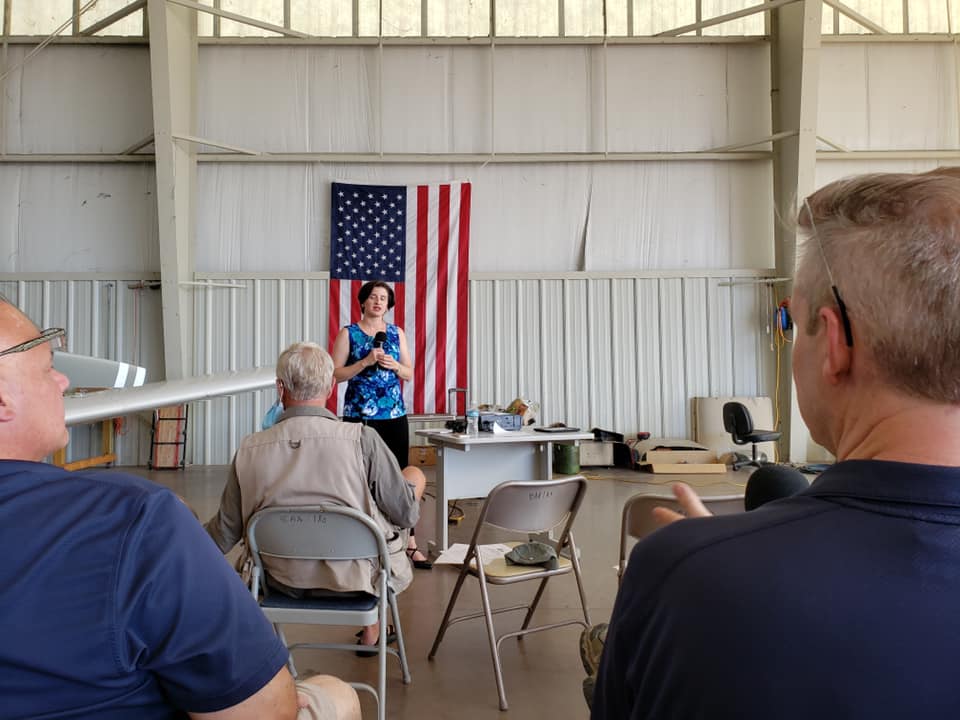
Student pilots learn to connect checklist discipline with cockpit communication and instructor debriefs.
For example, imagine you arrive for a lesson after a long workday. You are tired, but excited. The planned flight is a short local lesson, yet the wind is stronger than forecast and the airspace is busy. IMSAFE flags fatigue. PAVE adds environmental workload and external pressure because you want to stay on schedule.
That does not automatically mean the flight is canceled. It means the decision deserves a calm conversation. Your instructor may adjust the lesson, choose a more appropriate training objective, move to ground instruction, or use simulator-supported training to practice the same decision points in a controlled environment.
What Student Pilots Often Miss
New pilots often think risk management is mostly about big hazards. In practice, the more common challenge is normalizing small compromises. You skip breakfast. You rush the preflight. You accept a weather trend you do not fully understand. You keep a lesson because you already arranged your day around it.
Those moments are exactly where IMSAFE and PAVE help. They make small pressures visible before they become cockpit distractions.
At UFT, we also connect these tools to situational awareness. Awareness is not just seeing traffic or reading instruments. It is understanding how your condition, aircraft, environment, and plan are changing together. When students learn that habit early, they become more prepared for advanced training and real-world flying.
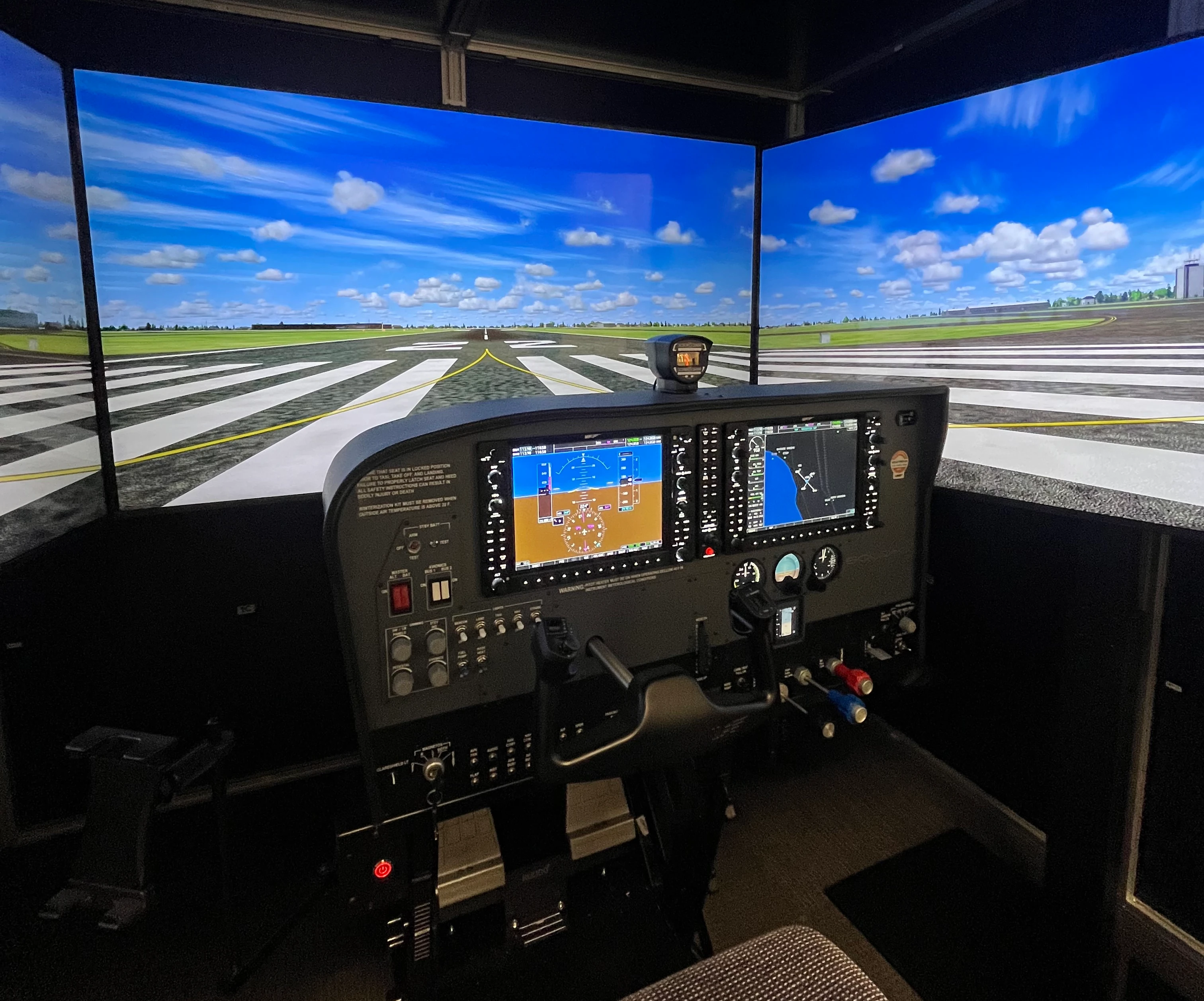
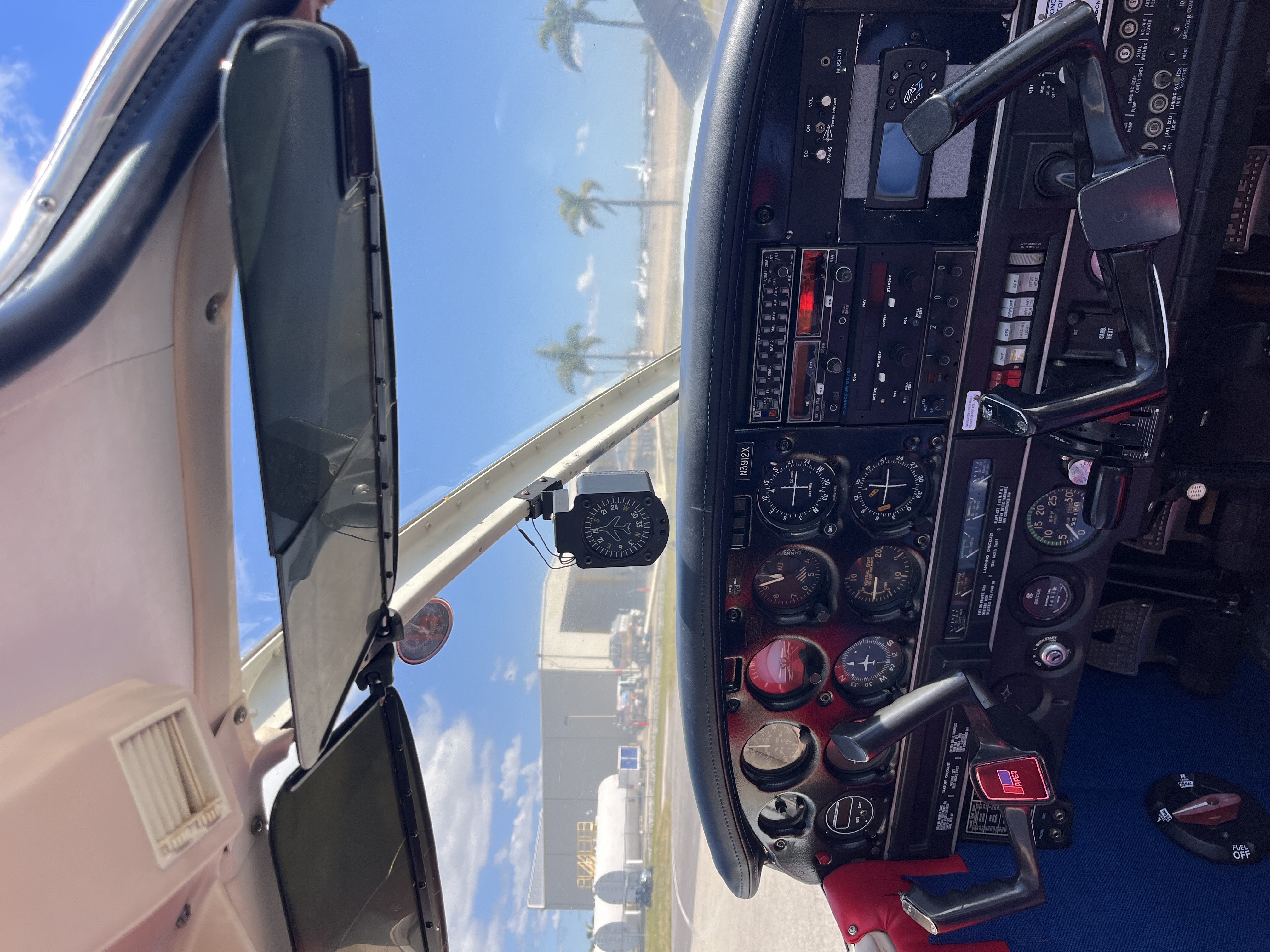
Simulator-supported sessions can help students practice risk scenarios and cockpit workflow in a controlled setting.
This also matters for budget and scheduling. If a flight is unlikely to meet the learning goal, changing the plan can protect both safety and training efficiency. Students who are planning costs can also review flight training financing options and training pace with our team, so decisions are not driven only by pressure to finish a lesson on a particular day.
How We Build Decision-Making at UFT
We want students to leave training with more than checkride answers. We want them to build a cockpit mindset they can carry into every certificate, rating, and flight after graduation.
In practical terms, that means our instructors emphasize:
- Preflight planning that looks beyond the basic route and weather snapshot.
- Checklist discipline before, during, and after each flight.
- Scenario-based questions that help students think ahead of the airplane.
- Debriefs that turn each lesson into better judgment for the next one.
- Flexible training choices when a ground, simulator, or rescheduled lesson is the smarter path.
Those habits support students in the Private Pilot Course, but they become even more valuable in later certifications, such as Commercial Pilot and Certified Flight Instructor. Even if the aircraft and procedures change, the need for disciplined decisions will not.
For additional FAA learning, pilots can review the FAA’s PAVE checklist and the FAA Pilot’s Handbook of Aeronautical Knowledge. In training, your instructor helps turn those concepts into habits you can use under real workload.
Quick FAQ for Student Pilots
Is IMSAFE required before every flight?
IMSAFE is not a replacement for your legal responsibilities as a pilot, but it is a smart habit before every lesson or personal flight. We encourage students to use it consistently because personal readiness affects everything that follows.
What is the difference between IMSAFE and PAVE?
IMSAFE focuses on the pilot’s personal condition. PAVE looks at the broader flight: Pilot, Aircraft, enVironment, and External pressures. Used together, they help you build a more complete risk picture before flying from SRQ or any other airport.
Does a no-go decision mean I wasted the lesson?
No. A no-go decision can become a valuable training moment. Depending on the situation, your instructor may shift to ground training, simulator work, or planning for the next flight. That still supports progress toward your certification.
Can these checklists help with checkride preparation?
Yes. Practical tests expect pilots to demonstrate knowledge, skill, and risk management. IMSAFE and PAVE can help you organize your thinking, especially when discussing weather, aircraft performance, personal minimums, and scenario-based decisions with an examiner.
Should recreational pilots and career-track pilots use the same decision tools?
Yes. A student flying for fun and a student pursuing a professional path both need sound judgment. The mission may differ, but risk management belongs in every cockpit.
Start Building Pilot Judgment Early
The best time to practice pilot decision-making is before the stakes feel high. IMSAFE and PAVE give you a simple structure for asking better questions, catching pressure early, and choosing the right next step for the flight in front of you.
If you are ready to begin training in Sarasota, schedule a Discovery Flight with Universal Flight Training and start building the habits that help pilots fly with confidence, discipline, and purpose.